

 Français
 Español
 Deutsch
 Italiano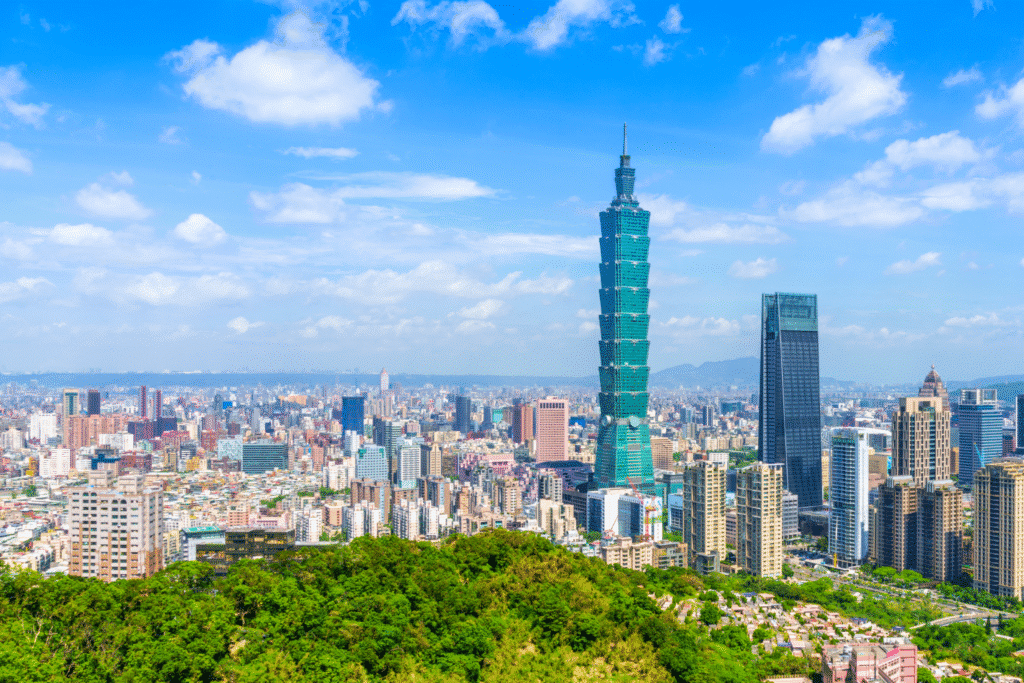
Mastering the Art of Taipei Travel Itinerary
Planning a Taipei vacation calls for a meticulous approach to ensure you enjoy every bit of this bustling metropolis. Taipei is a city where ancient traditions and the modern world coalesce seamlessly. With its dynamic street life and a plethora of Taipei attractions, it’s essential to create an itinerary that balances sightseeing, relaxation, and cultural immersion. Begin by identifying the key sites such as the iconic Taipei 101 and the historic Chiang Kai-Shek Memorial Hall. Other highlights include the captivating National Palace Museum and the tranquil Longshan Temple, which offer a peek into Taiwan’s rich history and culture.
When drafting your travel itinerary, consider your interests. Are you a foodie, a history buff, or an art enthusiast? Taipei has something for everyone. The night markets, known for their delicious street food, should certainly be included. Shilin Night Market, for example, is not only a place to feast but also a cultural experience in itself. Similarly, the Beitou Hot Springs offer respite and relaxation amidst beautiful scenery.
Organizing your days effectively will maximize your experience. Allocate time for both popular tourist spots and hidden gems. Ensure to include leisure in your plan; perhaps an afternoon in a serene park or a quiet tea house. Balance is key in crafting a vacation planning strategy that caters to your travel aspirations and personal preferences.
Here’s a suggested itinerary framework:
- Day 1: Arrival and exploration of Taipei 101 and nearby attractions.
- Day 2: Cultural day with visits to the National Palace Museum and Longshan Temple.
- Day 3: Leisurely shopping and dining in Ximending or Shilin Night Market.
- Day 4: Day trip to Jiufen or Shifen for scenic views and local culture.
Finding the Perfect Taipei Accommodation
Choosing the right Taipei accommodation can elevate your entire travel experience. Taipei offers a broad array of lodgings to suit varying tastes and budgets. From luxurious hotels to budget hostels, each provides unique benefits. Families, particularly, might appreciate accommodations with convenient access to local attractions and amenities.
Family-friendly options can ensure the little ones have a comfortable space to unwind after a day of exploring. For a more traditional experience, staying in areas like Taipei Old Town can immerse travelers in local culture. Options here might offer traditional architectural styles with modern comforts.
Budget-conscious travelers have numerous choices as well. Taipei is well-regarded for its hostels, especially in areas like Ximending and Daan districts, which provide great value and a chance to meet fellow travelers, making it perfect for solo adventurers.
The choice of your accommodation will depend on your priorities: be it proximity to transportation, cultural sights, or nightlife. Making a well-informed selection will greatly enhance your Taipei travel experience.
Tasting the Best of Taipei’s Local Cuisine
No trip to Taipei is complete without diving into its vibrant food scene. Street food is a crucial part of cultural experiences here, and Taipei is famous for its night markets teeming with mouth-watering dishes. For a well-rounded gastronomic tour, start with the Shilin Night Market. Here, sample a range of dishes, from the infamous stinky tofu to the delectable beef noodle soup.
Another popular dish is the Taiwanese pork rice, a comfort food enjoyed by locals and travelers alike. Din Tai Fung, located in Taipei 101, offers an upscale dining experience with their world-renowned xiaolongbao, or soup dumplings.
If an immersive cooking experience entices you, consider joining a local cooking class. These classes often include market tours, offering insights into the fresh ingredients used in Taiwanese cuisine and how they’re source and prepared.
For those who prefer a more fixed meal structure, some restaurants offer pre-set menus that allow you to explore various flavors of the region in one sitting. The culinary scene in Taipei is a beautiful blend of history, culture, and innovation, offering something for every palate.
Navigating Taipei with Public Transportation
Efficient and affordable, public transportation in Taipei makes exploring the city both convenient and enjoyable. The MRT (Mass Rapid Transit) system is the backbone of Taipei’s transit network, covering a vast area with speed and efficiency. Visitors should consider getting an EasyCard, a rechargeable smart card used for riding MRT, buses, and even paying for small purchases in select stores.
The MRT stations are well-signposted in both English and Chinese, making it user-friendly for tourists. Additionally, buses and rental bikes offer alternative ways to see the city for those keen to explore off the beaten path. Taxis, while more expensive, are extremely convenient and available throughout the city.
Using public transport, visitors can easily reach all major Taipei sightseeing spots. For instance, the MRT Red Line connects directly to Taipei 101 and many famous shopping districts, while the Blue Line leads to the bustling Ximending area.
Moreover, public transportation is integral to saving money, especially for those on a budget. The efficient system of Taipei helps ensure you can easily stick to any travel budget plan, enhancing the overall budget travel Taipei experience.
Engaging in Taipei’s Cultural Experiences
Taipei is not just about the sights; it’s about engaging in diverse cultural experiences that promise enrichments far beyond the usual tourist activities. The city’s rich tapestry is woven with art, history, and vibrant local traditions. For an in-depth cultural dive, start with the National Palace Museum, home to one of the largest collections of Chinese imperial artifacts and artworks.
Another key cultural institution is the Chiang Kai-Shek Memorial Hall, not only a significant historical site but also a venue for music and art performances. If you’re visiting in the winter season, the Taipei Lantern Festival is a must-see, featuring elaborate lantern displays that reflect both traditional and modern Taiwanese art.
The performing arts scene in Taipei is robust. Longshan Temple offers glimpses into traditional Taiwanese religious practices, while the vibrant Ximending district is known for contemporary art galleries and creative street performances. Night markets, beyond food, often host shows and exhibitions, providing a living museum of Taiwanese popular culture.
Participating in a local festival or a traditional tea ceremony can create memorable experiences, providing personal interactions with Taipei’s cultural fabric. These events and activities are integral to understanding and appreciating the essence of this vibrant city, transforming your trip into a comprehensive cultural exploration.
Discover traditional stays in these culturally rich areas for an immersive experience.

How to move to Taipei as an American?
Understanding the Essentials of Moving to Taipei Making the decision to relocate internationally is significant, especially when moving to a vibrant city like Taipei. As an American considering a move, understanding the key aspects of such a relocation can greatly…
How to move to Taipei as a South Korean citizen?
Visa and Legal Requirements for South Korean Citizens As a South Korean citizen looking to move to Taipei, it is crucial to understand the visa and legal requirements involved in relocating. For stays under 90 days, South Korean passport holders…
How to buy an apartment in Taipei?
Buying an apartment in Taipei can seem like a daunting process, especially for first-time buyers or those unfamiliar with Taiwan’s real estate market. The city combines vibrant urban life with the tranquility of its natural surroundings, making it an appealing…
Trying to decide how many days to stay in a city as dynamic as Taipei can be a daunting task. Balancing cultural exploration, urban adventures, and forays into the surrounding natural wonders is key to a fulfilling trip. With its…
