

 Français
 Español
 Deutsch
 Italiano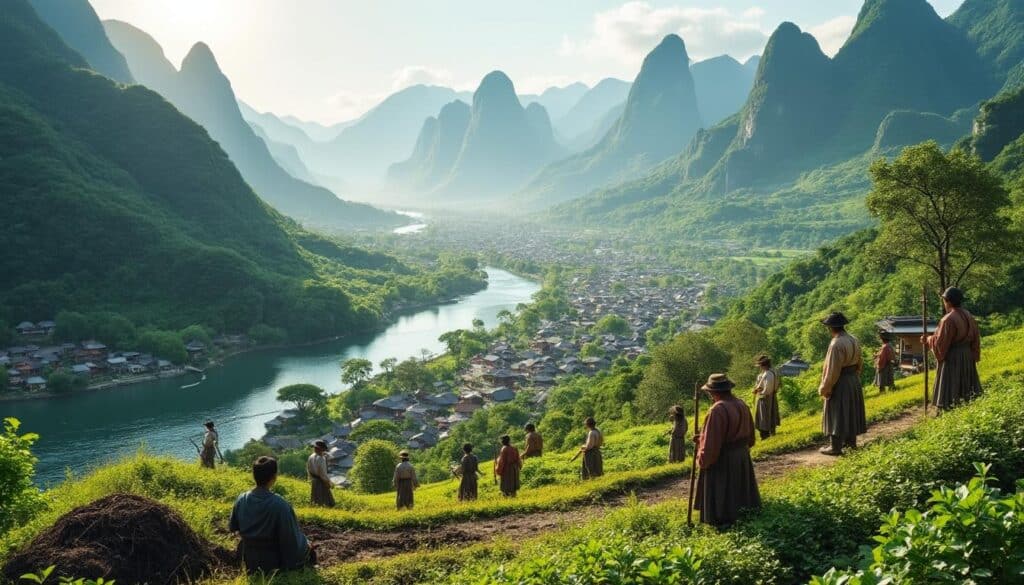
Discovering the intricate history behind the founding of Taipei offers a fascinating journey through time, highlighting the city’s origins and evolution amidst geopolitical changes. The modern capital of Taiwan, Taipei, stands as a bustling metropolis that is a blend of vibrant culture, historical landmarks, and economic significance. Delving into its founding stories reveals how diverse influences have shaped its growth, from its early development by the Han Chinese in the 18th century to becoming the dynamic capital known today. From the Ketagalan tribes to the Qing and Japanese eras, each phase contributed uniquely to Taipei’s character, making it an intriguing subject for history enthusiasts and casual travelers alike.
The Early Beginnings: Han Chinese Arrival and Settlement
The recorded history of Taipei begins in the early 18th century with the arrival of Han Chinese settlers who started populating the Taipei Basin, initially inhabited by the indigenous Ketagalan tribes. By 1709, the Han Chinese settlers had established a foothold in the region, initiating the transformation of Taipei into a more structured settlement that laid the groundwork for its future development.
In this early phase, agricultural activities and trade were the primary drivers of the economy. The fertile plains of the Taipei Basin offered ideal conditions for farming, leading to the cultivation of rice and other staple crops that sustained the growing population. As the settlers integrated with the local tribes, a merging of cultural practices began to take shape, evidenced in the local customs and architectural styles that marked the early settlement.
Social structures also evolved during this period, with the formation of organized communities and local governance systems. Village chiefs and community leaders played significant roles in shaping the social order, mediating conflicts, and managing resources, thereby fostering a sense of identity and belonging among the settlers.
As a result, Taipei’s importance as a regional hub increased, drawing in more settlers and leading to the establishment of additional settlements around its peripheries. Among these was the port town of Tamsui, which emerged as a crucial point for foreign trade, particularly in the lucrative tea export business. This increased trading activity further prompted the development of infrastructure, including better roads and facilities, enhancing communication and commerce within the region.
By the late 19th century, Taipei had solidified its status as the economic focal point in northern Taiwan. This economic boom was supported by growing exports and the wealth generated by local industries. As a trading center, it attracted merchants, businesspeople, and laborers from different parts of the world, enriching the city’s cultural tapestry.
Key developments from this period set the stage for further transformation as political changes shifted the city’s trajectory. With each successive era, from the Qing establishment to Japanese control and beyond, Taipei adapted and grew, showing resilience and innovation that continues to define its spirit today.

Qing Dynasty’s Influence and Administrative Developments
In the year 1875, the setting up of Taipei as the administrative center of the north marked a pivotal moment in its history. Under the Qing Dynasty, Taipei, or as it was known then, Taipeh, was declared the capital of the new Taipeh Prefecture. This administrative upgrade was a strategic move to enhance governance and reinforce the Qing’s influence in the area.
The Qing administration undertook significant urban development projects, laying out the city’s initial infrastructure. The construction of city walls, roads, and governance buildings reflected the orderly planning and architectural finesse introduced by the Chinese administration. These efforts were not just about enhancing the city’s functionality but also about amplifying its status as a provincial seat.
The Qing era saw the introduction of various administrative reforms aimed at boosting Taipei’s economic productivity and governance efficiency. One notable project was the prohibition of rice planting within city limits to preserve land for urban development. Additionally, the authorities encouraged land sales for building purposes, fostering a climate conducive to business and population growth.
The city also witnessed the erection of significant cultural landmarks such as the Confucian Temple and the Prefect’s Yamen, which became symbols of the administrative and cultural identity of Taipei under Qing rule. These buildings were not only functional but also aesthetic representations of the era, influencing the city’s architectural landscape.
Amidst these transformations, the local economy thrived through increased foreign trade, particularly with European merchants. Tamsui’s port remained central to these exchanges, further elevating Taipei’s economic profile. The infrastructure improvements facilitated the smooth operation of trade activities, contributing to the economic development of the city.
- 🌟 Establishment as Taipeh Prefecture’s capital
- 🏯 Construction of city walls and governance buildings
- 📈 Economic growth through trade and reforms
- 🌿 Prohibition of rice planting for urban development
- 🏛️ Cultural landmarks like the Confucian Temple
Despite these successes, the Qing era in Taipei ended with the advent of Japanese colonial rule in 1895. However, the foundations laid during this period became instrumental in guiding Taipei’s transition into a modern city during subsequent administrations.
Japan’s Colonial Legacy in Taipei
The transfer of Taiwan to Japanese control in 1895 marked a new epoch in Taipei’s development trajectory. Known as Taihoku in Japanese, the city emerged as the political epicenter of Japanese colonial governance. Under Japanese rule, Taipei underwent extensive modernization projects, reshaping its infrastructure and urban environment.
One of the most significant impacts of Japanese rule was the introduction of comprehensive urban planning. The Japanese authorities implemented city planning regulations that included zoning laws, infrastructure development, and modern architectural practices. This planning effort led to the establishment of major road networks, public buildings, and residential areas designed to accommodate the growing population.
Industrial growth accelerated under the Japanese, transforming the economic landscape of Taipei. The city became a hub for various industries, including manufacturing and commerce, bolstered by the development of a railway linking Keelung and Taihoku. The expansion facilitated smoother transportation, enhancing trade efficiency and promoting industrial activities.
During this time, the architecture of Taipei began to reflect Japanese influences, evident in landmarks such as the Presidential Building, initially the Office of the Governor-General of Taiwan. Many of these structures still stand today, serving as cultural and historical markers of this transformative era.
The Japanese administration also made significant strides in education, healthcare, and public works, establishing schools, hospitals, and other civic amenities that improved the quality of life for residents. Such investments contributed to raising the living standards and literacy rates, leaving a lasting legacy on the local population.
| Development Area 📊 | Japanese Contributions 🇯🇵 |
|---|---|
| Urban Planning 🏙️ | Zoning laws, roads, and infrastructure |
| Industrial Growth 🏭 | Manufacturing and railway expansion |
| Architecture 🏛️ | Presidential Building and public structures |
| Social Infrastructure 🚑 | Schools, hospitals, and civic amenities |
While the Japanese era ended with their defeat in World War II, the comprehensive urban structures and societal changes initiated during their rule laid the groundwork for Taipei’s post-war recovery and subsequent development as an economic powerhouse.
The Post-War Era and Taipei’s Role in the Republic of China
In the wake of World War II, Taipei underwent another significant transformation as it became the provisional capital of the Republic of China (ROC) under the Kuomintang (KMT) regime. This era marked a period of political upheaval and reshaping, as the ROC adjusted to its new reality after retreating from mainland China in 1949.
Chiang Kai-shek’s government saw Taipei as a symbol of resilience and continuity of the ROC, with the city serving as the focal point for ROC’s administration and governance. As such, there were substantial investments in developing government facilities and infrastructure to support Taipei’s new role as the governmental center.
This period also witnessed rapid population growth, fueled by the influx of mainland Chinese who fled to Taiwan with the KMT. This demographic shift brought about cultural assimilation challenges, which were met with policies aimed at harmonizing the diverse cultural heritage and fostering national unity.
Economically, Taipei continued its trajectory of growth and modernization, aided by U.S. economic assistance during the 1950s. This support facilitated substantial infrastructure projects and urban development, which saw Taipei blossoming into a modern city, equipped with essential public services and amenities.
- 📈 Population influx from mainland China
- 🏛️ Establishment of government facilities
- 🔧 Infrastructure projects with U.S. assistance
- 🌀 Cultural integration and national unity
- 🌇 Rise as a modern urban center
The transition from wartime to peacetime allowed Taipei to redefine its identity, growing into its status as Taiwan’s primary political, economic, and cultural hub. This foundational period set the stage for its transformation into a global city in the decades that followed, characterized by resilience and adaptability.
Modern Taipei: Culture, Economy, and Global Influence
As of 2025, Taipei stands as a testament to the rich tapestry of history, culture, and modernity that defines its essence. The city is renowned for its unique blend of eastern traditions and western influences, offering a versatile cultural experience to visitors and residents alike.
Central to modern Taipei is its thriving economy, supported by a vibrant mix of industries such as technology, manufacturing, and tourism. As a hub of innovation, the city is home to numerous global tech companies and startups, driving economic growth and employment.
The cultural landscape of Taipei is equally compelling, with a variety of attractions that celebrate its historical heritage and contemporary arts. The bustling night markets, traditional temples, and state-of-the-art museums offer a glimpse into the city’s eclectic culture.
- 🏙️ Home to global tech companies
- 🎨 Diverse cultural and art scenes
- 🌆 Blend of tradition and modernity
- 🎉 Vibrant festivals and events
- 📌 Iconic landmarks such as Taipei 101
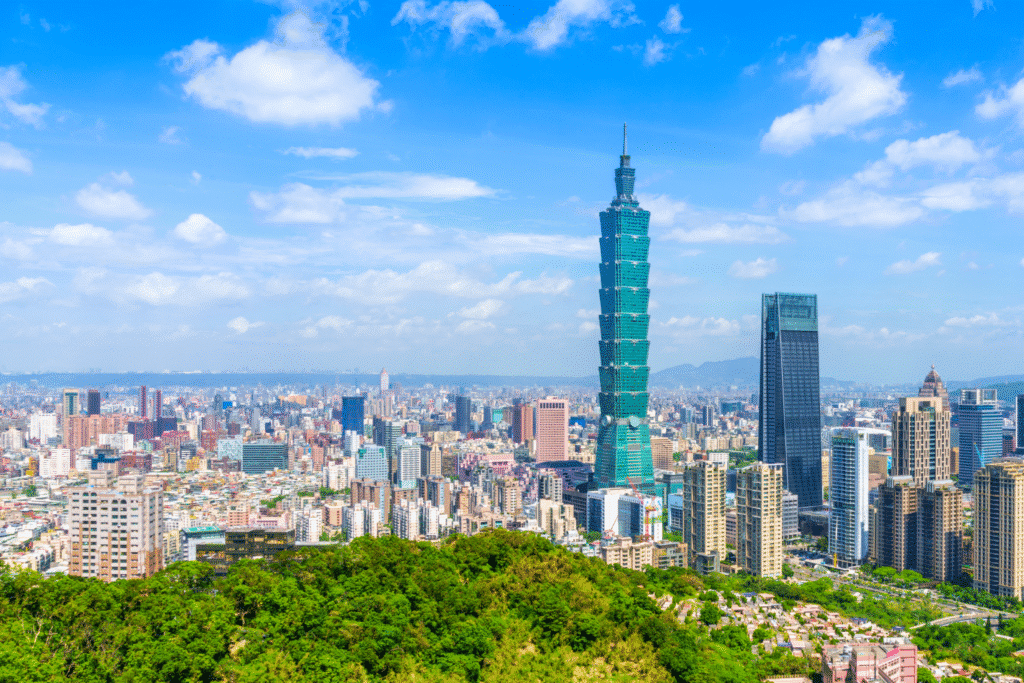
Key landmarks such as Taipei 101 not only define the city’s skyline but also symbolize its status as a global city. This striking skyscraper, alongside the cultural and technological advancements in Taipei, attracts millions of tourists each year, contributing to the city’s reputation as a top tourist destination.
The city’s government continues to play a critical role in fostering development and ensuring a sustainable future for its residents and visitors. By focusing on urban planning, environmental sustainability, and cultural preservation, Taipei remains an exemplar of a dynamic and forward-thinking metropolis.
FAQ About Taipei
- Who founded Taipei?
While Taipei was developed by the Han Chinese in the early 18th century, it wasn’t officially recognized until the Qing Dynasty established it as the Taipeh Prefecture capital in the 19th century. - What is Taipei known for today?
Taipei is famous for its blend of traditional and modern attractions, vibrant street food culture, technological innovations, and iconic landmarks like Taipei 101. - How has Taipei evolved over time?
From its humble beginnings as a trading settlement, Taipei evolved through Qing Dynasty governance, Japanese modernization, and ROC administration to become a major economic and cultural hub in Asia. - Is Taipei safe for tourists?
Yes, Taipei is generally considered a safe city for tourists. It has robust public transport, low crime rates, and is well-equipped to welcome international visitors. - What makes Taipei a top tourist destination?
Its rich history, diverse culture, excellent food, and stunning architecture make Taipei a must-visit destination for travelers worldwide.
How to live in Taipei as a French citizen?
Finding Accommodation in Taipei for French Citizens Moving to a new city involves finding a place to stay, which can be exciting but also overwhelming. For French citizens moving to Taipei, understanding the local real estate market is crucial. The…

How to live in Taipei as a Polish citizen?
Visa Requirements for Polish Citizens Moving to Taipei For Polish citizens planning to live in Taipei, understanding the visa requirements is crucial. In 2026, the process starts with identifying the purpose of your stay, be it work, study, or other…
How to live in Taipei as a Canadian?
Taipei Living: Navigating the City as a Canadian Expat 🌆 Living in Taipei as a Canadian expat offers a unique blend of comfort, culture, and adventure. The city’s vibrant energy is complemented by its efficient public transport system, making it…
Does Taipei celebrate Valentine’s Day?
Valentine’s Day Traditions in Taipei Valentine’s Day in Taipei is a unique blend of Western influences and local traditions, offering an interesting cultural experience. While the classic elements like roses, chocolates, and romantic dinners are common, the city also embraces…
Does Taipei celebrate Labor Day?
As cities around the world embrace International Workers’ Day, Taipei stands as a beacon in Asia, celebrating the spirit of labor on the 1st of May. Not only is this day significant for the workers, but Taipei also offers a…
What is the cost of living in Taipei?
If you’re considering relocating to a city that beautifully marries tradition with modernity, Taipei should be on your radar. Known for its cultural vibrancy, breathtaking natural beauty, and mouth-watering street food, Taipei stands out as an exciting destination for expats…
How to live in Taipei as a Brazilian?
Moving to Taipei as a Brazilian entails a vibrant journey filled with diverse experiences. From navigating the city’s rich tapestry of culture to integrating into the unique local lifestyle, embracing life in Taipei means exploring a blend of modernity and…
