

 Français
 Español
 Deutsch
 Italiano
Drinking and age restrictions in Taipei
The conversation around drinking and age restrictions in Taipei is a complex and evolving topic, shaped by both cultural nuances and public health concerns. While the legal drinking age in Taiwan is currently set at 18, there are growing calls to raise this age to combat rising health issues associated with alcohol consumption among the youth. This issue is particularly pressing in Taipei, a city bustling with vibrant nightlife scenes where establishments like Taipei Tavern, Bar 88, The Brass Monkey, and Karaoke City thrive. Understanding the existing legislation, the impetus behind proposed changes, and the broader societal impacts forms the core of this discussion.
The Current Legal Drinking Age in Taipei
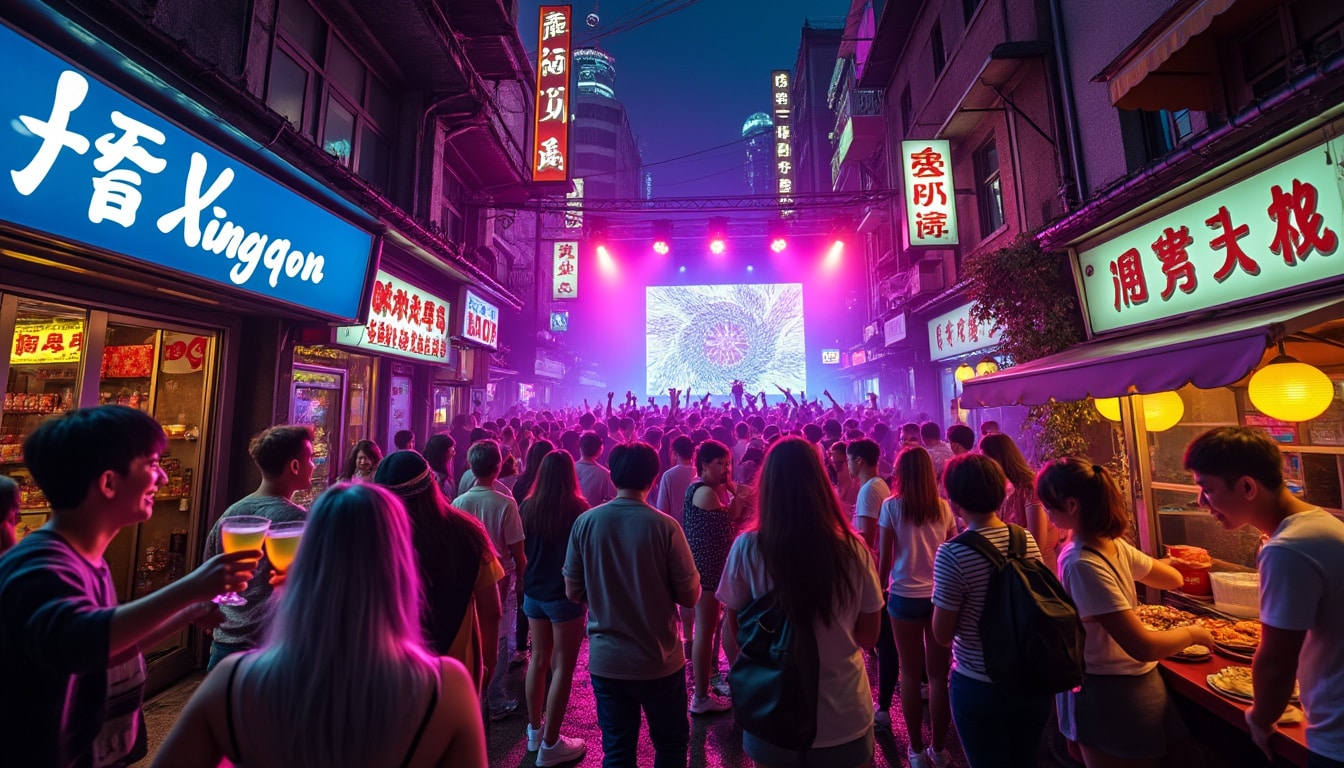
In Taipei, and more broadly across Taiwan, the legal drinking age is set at 18 years. This means that anyone 18 years or older can legally purchase and consume alcohol at bars, restaurants, and other licensed venues. Taipei, with its dynamic nightlife, offers a variety of venues where locals and tourists alike can enjoy a drink. Establishments such as The Brass Monkey, Karaoke City, and Oyster Bar are popular spots where this law currently applies.
The enforcement of this law can sometimes be inconsistent, leading to many underage individuals gaining access to alcohol. The existing legislation focuses primarily on the age limit for consumption, without stringent measures in place to prevent underage drinking effectively. As a bustling metropolis, Taipei is home to numerous events and gatherings where alcohol is served, making the widespread enforcement of these age restrictions a logistical challenge.
The conversation about raising the drinking age to 21 is informed by the health implications observed among younger drinkers. For example, a survey by the Ministry of Health and Welfare in 2021 found that 14.1% of junior high students and 30.6% of senior high students had consumed alcohol recently. Such statistics signal potential loopholes in enforcement and societal norms that tolerate underage drinking, which might be influencing broader cultural practices around alcohol.
One proposed solution to these issues is to introduce stricter identification checks at drinking establishments. At places like Bar 88 and Beer Garden, this could involve more rigorous ID verification processes before entry. Enhanced training for staff on the importance of upholding these laws could serve to strengthen compliance and reduce underage drinking instances.
| Establishment | Age Verification Methods | Compliance Measures |
|---|---|---|
| Bar 88 | Manual ID check by the bouncer | Staff training sessions |
| The Brass Monkey | Electronic ID scanners | Regular audits |
| Karaoke City | QR code age verification | User data privacy measures |
Impacts on Health and Society
The effects of alcohol consumption on youth can be particularly severe and multifaceted. Alcohol is linked to over 200 diseases, including cirrhosis, liver cancer, and mental health disorders. In Taipei, medical experts have voiced concerns about the rising health costs attributed to alcohol consumption, estimating that alcohol-related diseases cost the National Health Insurance NT$5.3 billion annually. Moreover, all alcohol-related health problems, including traffic incidents, amount to NT$53 billion per year.
Medical professionals advocate that early onset drinking can significantly increase the risk of developing alcohol-related health problems later on. Studies show correlation between raising the legal drinking age and a reduction in both alcohol consumption rates and drunk driving incidents. Such findings are consistent with experiences in other countries like the United States and Japan, where higher drinking age limits have contributed to decreased youth alcohol abuse.
- 🚑 Health risks: Cirrhosis, liver cancer, mental disorders
- 🚦 Traffic incidents related to drunk driving
- 💸 Economic burden: NT$53 billion annual costs
- 📉 Reduction in alcohol consumption with higher drinking age
In Taipei, popular nightlife spots such as Mikado Nightclub and Wine and Dine could play a role in promoting responsible drinking habits. Hosting awareness campaigns and educational workshops within these venues might foster a culture of moderation and mindfulness among patrons. Public health education initiatives could also be amplified to convey the potential long-term impacts of alcohol abuse, particularly targeting younger demographics who frequent these nightlife spots.
Considerations for Raising the Drinking Age
Raising the legal drinking age in Taipei to 21 is gaining traction among health officials and policymakers. This change aims to align with global trends where strict age limits correlate with better public health outcomes. The impetus for this shift is driven by the desire to safeguard younger demographics from the adverse effects of early alcohol exposure.
A critical aspect of this debate is understanding the potential cultural shift that such a change could initiate. In Taipei, social gatherings, celebrations, and even business events often involve alcohol, thus deeply ingraining drinking into the local culture. Consequently, increasing the legal age could necessitate a broader cultural adaptation, affecting how events are held and how socializing occurs.
A case in point is the Japanese model, where the legal drinking age remains 20 despite lowering the age of majority to 18. This dichotomy acknowledges the maturity required to handle alcohol consumption responsibly. Implementing similar regulations in Taipei could set a new societal standard, deterring adolescents one or two years younger than the current legal age from accessing alcohol.
| Country | Current Drinking Age | Impact on Society |
|---|---|---|
| USA | 21 | Reduced youth drinking, fewer driving incidents |
| Japan | 20 | Lower driving incidents, cultural acceptance |
| Taiwan | 18 (proposed 21) | Potential reduced youth alcohol abuse |
A broader enforcement of the proposed change would involve enhancing existing policies concerning the sale and distribution of alcohol. Venues like Spirited Away and Happy Hour Taipei may need to adapt their business strategies, perhaps by introducing non-alcoholic options and diversifying entertainment offerings to appeal to a wider, non-drinking audience.
Challenges and Opportunities
Implementing a higher drinking age in Taipei presents both challenges and opportunities. On one hand, there is the potential for backlash from businesses heavily reliant on alcohol sales, as well as from individuals accustomed to the existing drinking culture. Economically, establishments such as Beer Garden and Oyster Bar might need to reevaluate their market approaches to maintain profitability amid decreased alcohol consumption among younger patrons.
Conversely, this policy change could open up opportunities for growth in other sectors. The non-alcoholic beverage market could see an increase in demand, encouraging innovation and diversification. This might lead to a rise in mocktail bars or venues focusing on alternative entertainment forms, such as cafes with live music or themed nights, appealing to a broader audience keen on varied leisure activities.
There are lessons to be learned from other regions that have successfully implemented higher age limits. For instance, promotional campaigns highlighting the benefits of delayed drinking onset could resonate well with Taipei’s health-conscious younger populations. Innovative approaches to nightlife, such as themed experiences or health-focused events, might help smooth the transition for both businesses and patrons.
- 📈 Growth in non-alcoholic beverage market
- 🔄 Shift towards diverse entertainment venues
- 🧠 Increased health awareness among youth
- 📢 Campaigns promoting responsible drinking
Global Perceptions and Local Realities
Globally, the trend toward raising legal drinking ages reflects a commitment to prioritizing health and safety over immediate social or economic gains. While Taipei considers following suit, it is essential to balance these objectives with the local cultural realities and economic concerns. Venues like Mikado Nightclub and Wine and Dine are crucial in this dialogue, as they represent both the cultural vibrancy and economic vitality of the city’s nightlife.
The World Health Organization and numerous global health bodies advocate for higher drinking ages, citing reduced alcohol-related harm and health costs. Taipei’s policymakers face the task of weighing these international findings against the particularities of Taiwanese society. The local reaction will likely depend on effective communication strategies and collaboration between government entities, healthcare providers, and the nightlife industry.
Moreover, implementing changes in drinking age could serve as a catalyst for broader public health initiatives, promoting a culture that values wellness and responsible living. As Taipei navigates these challenges, it is imperative to engage the community in discussions, ensuring that solutions are not only legislated but also embraced by the city’s diverse population.
| Aspect | Current Status | Future Outlook |
|---|---|---|
| Legal Drinking Age | 18 | Possibly 21 |
| Health Initiatives | Fragmented | Unified and Community-Driven |
| Cultural Adaptation | In Transition | Cohesive Approach Needed |
Transitioning Towards a New Norm
Success in altering Taipei’s drinking age policy hinges on a multifaceted approach, encompassing legislation, education, and cultural shifts. Venues, government bodies, and residents must collaborate to foster a new societal norm that values health and responsible consumption. Through concerted efforts, Taipei can pave the way for a healthier future without sacrificing its cultural vitality.
- 👥 Community engagement in policy changes
- 🏥 Integration of health education in nightlife
- 🎉 Innovation in entertainment and social experiences
- 🛡️ Policy enforcement balanced with cultural sensitivity
FAQ
- What is the current legal drinking age in Taipei?
The legal drinking age in Taipei is currently 18 years old. - Why is there a proposal to raise the drinking age to 21?
The proposal aims to reduce alcohol-related health issues and curb early onset drinking among youth, based on evidence suggesting that a higher drinking age can result in better public health outcomes. - How might changing the drinking age affect Taipei’s nightlife?
It could lead to a shift in business models for nightlife venues with an increased focus on non-alcoholic options and diversified entertainment. - What are the economic implications of raising the legal drinking age?
While there might be initial resistance and economic impacts on alcohol sales, opportunities arise in the expansion of the non-alcoholic market and alternative leisure activities. - How does Taipei’s drinking culture compare globally?
Like several other global cities, Taipei maintains a vibrant drinking culture, but ongoing discussions about health impacts are aligning it with broader international health standards.
Legal Information and Rules in Taipei
When navigating the dynamic cityscape of Taipei, understanding the legal system and its rules is crucial for both residents and visitors. Taipei’s legal structure reflects a blend of historical influences and modern advancements, designed to maintain order and justice in…
Calling and communication rules in Taipei
Taipei, a bustling city blending rich history with modern innovation, stands as a beacon of culture and commerce in Asia. Navigating this dynamic landscape requires more than just knowing landmarks; understanding the intricate calling and communication rules can make a…

Criminal status and entry to Taipei
Understanding laws and regulations can be a daunting task, especially when they influence one’s ability to travel internationally. For those considering a trip to Taipei, the vibrant capital of Taiwan, it’s crucial to be aware of how a criminal record…

In recent years, Taipei has become a bustling hub of activity and excitement, particularly during the holiday season. As the legislation regarding public holidays undergoes significant changes, both residents and travelers should be well-informed about what this means for experiencing…
Moving to Taipei, the bustling capital city of Taiwan, is an adventure filled with vibrant city life, delicious street food, and a thriving cultural scene. However, relocating comes with its own set of challenges, especially when it comes to navigating…

Smoking, drugs, and red light laws in Taipei
In the vibrant city of Taipei, where modernity meets traditional charm, the legal landscape surrounding smoking, drugs, and the red-light district is evolving. The bustling streets offer a unique blend of cultural experiences, but understanding the local legal frame can…
Social and discrimination issues in Taipei
As Taiwan continues to progress in various social avenues, the capital, Taipei, finds itself at the crossroads of modernity and tradition. Social justice and discrimination issues are topics of growing importance in the city, as cultural and demographic shifts mold…