

 Français
 Español
 Deutsch
 Italiano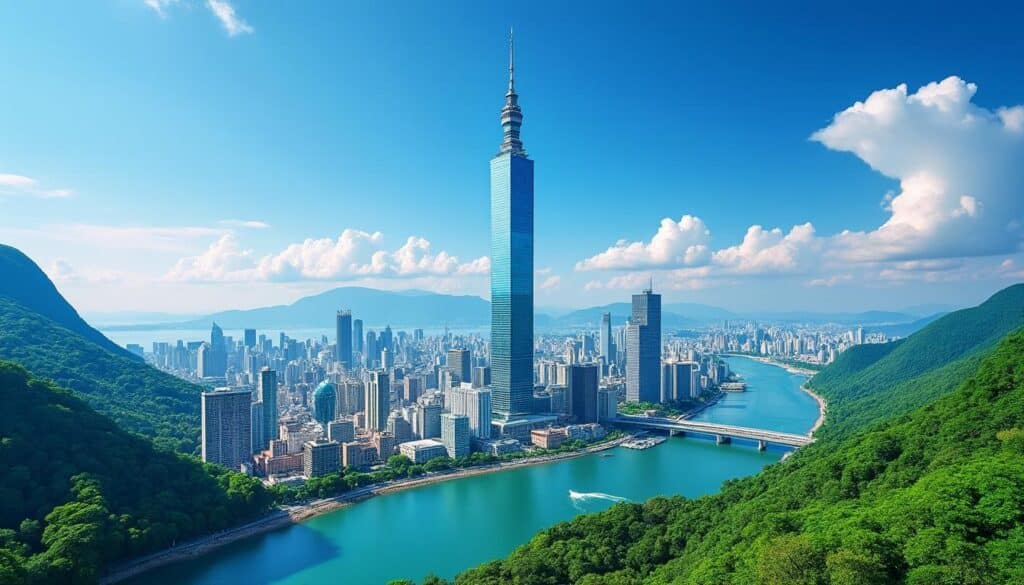
The city of Taipei, located at the northern tip of Taiwan, serves as both the capital and largest city of this vibrant island nation. 🇹🇼 Often referred to by its historical name, Formosa, Taiwan boasts a rich cultural heritage and a complex political landscape. The bustling metropolis of Taipei is at the heart of Taiwan’s economic, political, and cultural activities, attracting tourists and business travelers alike. But is Taipei situated on an island? Understanding Taipei’s geographical context and historical significance can offer an enlightening perspective on this global city.
The Geographical Setting of Taipei: Northern Taiwan’s Urban Heartbeat
Taipei’s location at the northern edge of Taiwan makes it a distinctive point of entry for many visitors to the island. Taiwan itself is an island nation in East Asia, strategically positioned between several major powers in the Pacific Ocean. To the west lies the vast expanse of the East China Sea, while opposite, the island faces Japan to the northeast and the Philippines to the south. The physical separation from mainland China by the Taiwan Strait, approximately 120 kilometers wide, has played a pivotal role in shaping the island’s unique identity and history.
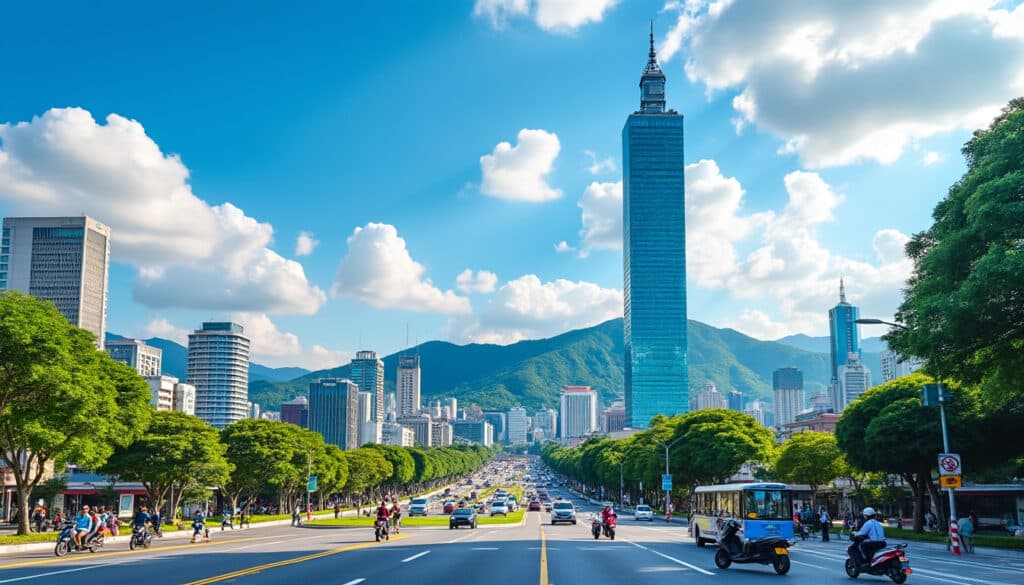
In geographical terms, Taipei is situated within a basin bordered by mountains and the Danshui River. The city’s natural landscape is stunning, featuring a unique combination of urban development and natural beauty. The towering peaks of Mount Qixing 🌋—an extinct volcano—and Mount Datun offer breathtaking vistas and are just part of the scenic Yangmingshan National Park that encircles the city. This setting not only enhances Taipei’s aesthetic appeal but also contributes to its distinctive microclimate, which features a marine tropical climate with hot, humid summers and mild winters.
For those wondering about transportation, Taipei is well-connected both domestically and internationally. Extensive railways, highways, and air routes link the city with other parts of Taiwan. Taipei is served by two airports—Songshan and Taoyuan—facilitating global travel and trade. Moreover, the city’s efficient public transportation system, including the Taipei Metro, ensures seamless movement within the metropolitan area.Learn more about the city’s connectivity in April. 🚇
| Feature 🌄 | Description |
|---|---|
| Location | Northern tip of Taiwan, within Taipei Basin |
| Main Natural Features | Mount Qixing, Mount Datun, Danshui River |
| Main Climate | Marine tropical, humid subtropical with four seasons |
While Taipei’s location and development are essential aspects of its character, understanding its historical background is equally crucial. The history of Taipei is deeply intertwined with the broader history of Taiwan, making it important to look back at its roots to appreciate the present-day city.
Historical Development: Taipei’s Evolution Through the Ages
The history of Taipei, much like the island of Taiwan itself, is rich and multifaceted. Originally, the island was predominantly inhabited by Austronesian aboriginal communities before the arrival of Chinese and European settlers. Known as Formosa by early Portuguese explorers, the island attracted diverse groups due to its abundant resources and strategic location.
In the 1600s, Dutch colonialists established a presence on the island, with Taipei and its surroundings seeing increased settlement and trade activities. This period marked the beginning of significant demographic shifts as Chinese migrants began to arrive in large numbers.💼 The subsequent liberation of Taiwan by Ming loyalist Zheng Chenggong, also known as Koxinga, set the stage for the Qing dynasty’s extended control, which lasted until the late 19th century.
Things took a dramatic turn in 1895 when the Treaty of Shimonoseki ended Chinese rule, transferring Taiwan to Japanese administration. The Japanese era brought vast modernization efforts to the island, with Taipei undergoing substantial urban and architectural development. During this time, the city saw the introduction of Western-style buildings, improved sanitation systems, and advanced transportation infrastructure, considerably shaping its urban landscape.
Following Japan’s defeat in World War II, the Nationalist forces fleeing China’s civil war took refuge on the island. Taiwan, under the Kuomintang leadership, experienced significant political upheaval, martial law, and eventually democratic reforms in the latter part of the 20th century. 🔄 The diverse historical influences, from colonial legacies to modern democratic movements, have collectively formed Taipei’s multi-layered and resilient identity, something every visitor can witness in the city’s architecture and culture today.Learn about the Brazilian community living in Taipei
As we delve deeper into why people are drawn to this corner of the world, understanding what makes Taipei unique in modern times is essential. Transitioning from historical development, we explore the vibrant culture and lifestyle that await in present-day Taipei.
The Cultural Melting Pot: Experience Taiwanese Heritage in Taipei
Present-day Taipei stands as a testament to Taiwan’s rich blend of cultural influences and presents an array of experiences that reflect a vibrant Taiwanese culture. The city’s cultural diversity is rooted in a blend of traditional Chinese customs, local Taiwanese traditions, and even remnants of Japanese influence from the colonial era.
One of the first things that strikes visitors is Taipei’s bustling street food scene. The city is a mecca for food enthusiasts with its myriad of tasty delights, from xiao long bao (soup dumplings) to scallion pancakes and the popular bubble tea 🍜🥤. The famous Taipei Night Markets, such as the Shilin Night Market, are perfect places to indulge in these delicacies while soaking up the energetic atmosphere filled with vibrant lights, enticing aromas, and the cheerful chatter of locals and tourists alike.Explore the safety of night markets
- 🌮 Street Food: Sample a variety of dishes, including traditional Taiwanese snacks and international eats.
- 🎎 Cultural Performances: Participate in local festivals and events celebrating traditional music, dance, and art.
- 🍃 Teahouses: Enjoy Taiwanese Tea culture in serene settings throughout Taipei.
- 🛍️ Shopping: Find everything from traditional crafts to modern fashion in Taipei’s numerous markets and malls.
Another cornerstone of Taipei’s cultural landscape is its numerous temples and religious practices. The Longshan Temple is among the city’s most historical and architecturally impressive sites, offering a glimpse into Taiwan’s religious life with its intricate carvings and vibrant ceremonies. Such sacred sites are not only places for worship but also provide visitors an opportunity to understand the spiritual life and historical foundations of the Taiwanese people.
Moreover, Taipei is known for its commitment to preserving artistic traditions while nurturing new talents. The city boasts numerous museums and galleries, such as the National Palace Museum and the Museum of Contemporary Arts, offering insights ranging from antique treasures to cutting-edge art exhibits.Find the best days to visit Taipei As you explore these cultural institutions, the deep respect Taipei holds for both its history and modern creativity becomes evident, making it a fascinating city to explore for those interested in arts and culture.
While cultural exploration is a key attraction, no visit to Taipei is complete without experiencing the city’s urban marvels, especially its iconic architecture that punctuates the skyline. From its bustling streets to its towering buildings, the architectural wonders of Taipei capture the essence of this vibrant city’s blend of the traditional with the modern. Next, we delve into the urban landscape, focusing on the architectural highlights that define Taipei today.
Architectural Marvels: Discovering Taipei’s Urban Skyline
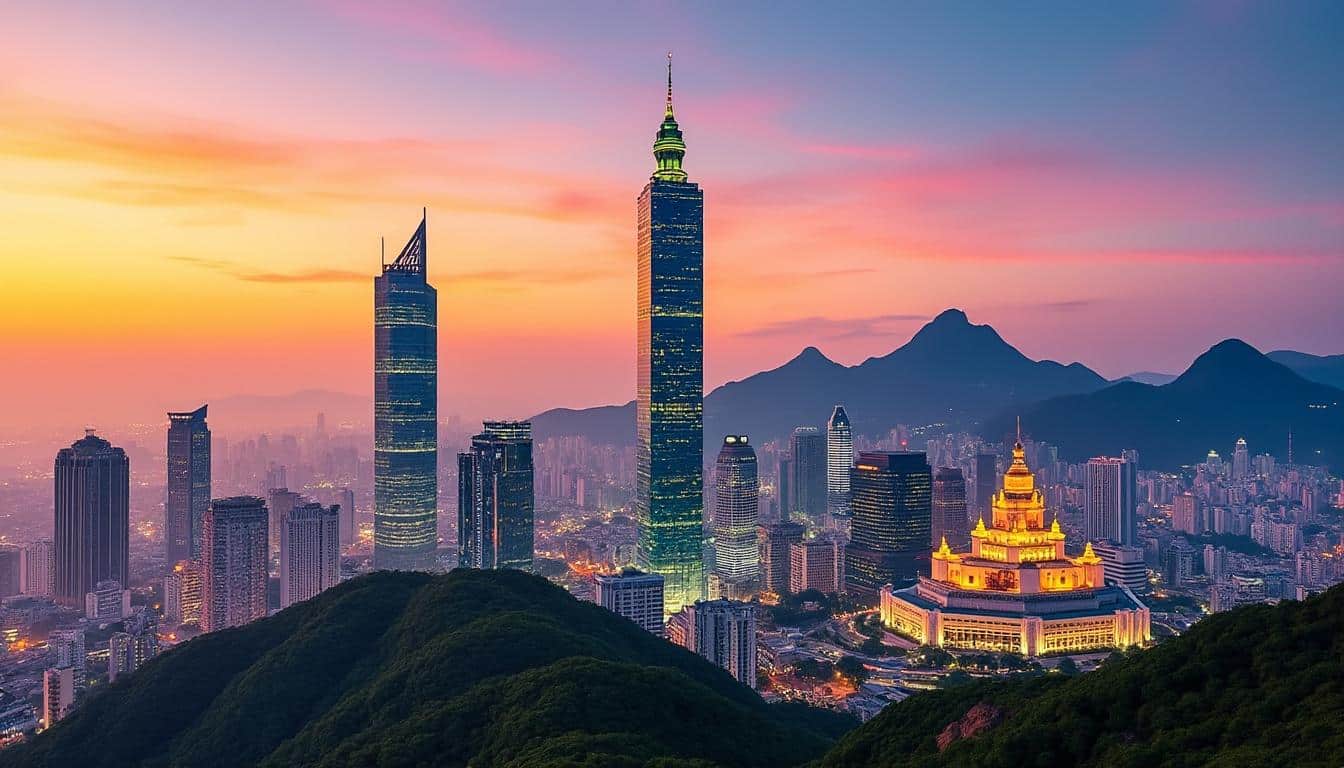
One of the defining features of Taipei’s cityscape is its eclectic architectural design, representing both historical influence and modern innovation. Among the skyline’s crown jewels stands the Taipei 101, once the world’s tallest building and a symbol of Taiwan’s rapid economic development and technological prowess. This architectural marvel, soaring to 508 meters, invites thousands of visitors annually to its observation decks, offering panoramic views of the city and beyond.🏙️
Constructed to withstand extreme weather and seismic activity, Taipei 101 is a testament to modern engineering marvels. Its design blends architectural artistry with sustainability, incorporating feng shui principles and state-of-the-art green technologies. The tower is not only a business center and tourist attraction but also a reflection of Taiwan’s ambition to balance progress with environmental stewardship.
Beyond Taipei 101, the architectural landscape of Taipei is diverse. From the traditional wooden structures found in Dadaocheng and the antique shophouses of Wanhua to cutting-edge contemporary designs in the Xinyi district, each area tells its own story of Taipei’s evolution. 🕌
| Attraction 🏢 | Description & Significance |
|---|---|
| Taipei 101 | Modern skyscraper with observatories offering city views; a symbol of Taiwan’s economic growth |
| Chiang Kai-Shek Memorial Hall | Historical site commemorating Taiwan’s former leader, blending art and history |
| Longshan Temple | A masterpiece of Taiwanese religious architecture and cultural heritage |
| Xinyi District | Diverse architectural styles, from modern malls to cultural centers |
For those interested in exploring contemporary architectural achievements, visiting new cultural landmarks such as the Taipei Performing Arts Center enhances the understanding of the city’s artistic aspirations. These sites continue to draw tourists, offering glimpses into Taipei’s commitment to fostering a dialogue between tradition and modernity, beautifully encapsulated within its cityscape.
The urban beauty of Taipei is not just limited to its landmarks; its green spaces and parks also showcase the city’s dedication to creating a harmonious urban life. The transition to the next section highlights how Taipei’s parks contribute to its liveability and the well-being of its residents.
Green Urban Spaces: Nature in Taipei’s Cityscape
Taipei is not only a bustling urban center but also a city rich in green spaces, offering its residents and visitors a much-needed escape into tranquility amidst urban hustle. These parks and recreational areas are integral to the city’s character, providing lush environments where nature and urban life coexist harmoniously 🌳.
Yangmingshan National Park, located near the city, is a must-visit destination known for its beautiful landscapes, hot springs, and hiking trails. The park’s proximity makes it an ideal weekend getaway for those looking to explore the outdoors without traveling afar. Visitors can soak in hot springs or enjoy the stunning views from Qingtiangang Grassland – an oasis of calm that appeals to nature lovers and adventure seekers alike.
Another popular green destination is the Taipei Botanical Garden, situated in the heart of the city. This serene spot offers a rich variety of plant life, serving as a research and educational center as well as a place for leisure. The garden is an excellent location for families and nature enthusiasts interested in Taiwan’s diverse plant species.
For those seeking outdoor activities closer to the urban core, Daan Forest Park provides a more localized touch of nature with ample walking paths, a pond, and several sports areas. Known as the “lungs of Taipei,” this park is essential in helping maintain air quality and ecological balance, making it a favorite among locals for daily walks and exercise.🏞️
- 🌺 Yangmingshan National Park: Explore hot springs, hiking trails, and breathtaking views.
- 🌿 Taipei Botanical Garden: Discover diverse plant species and serene landscapes.
- 🏃♀️ Daan Forest Park: Enjoy sporting activities and leisurely strolls.
- 🚴♂️ Riverside Parks: Cycle or jog along the scenic riverbanks of Taipei.
These parks not only contribute to the city’s green footprint but also form a significant component of Taipei’s lifestyle, underscoring the importance of sustainable living. Whether trekking through Yangmingshan or a casual run in Daan Park, these green spaces provide Taipei’s inhabitants with a healthy balance between life’s fast pace and peaceful retreats.Discover fashion trends perfect for park outings in Taipei
As the sun sets, these green areas transform into social hubs. Families, friends, and communities come together to relax, picnic, and share the evening. Connecting these shared experiences is how Taipei marries its dynamic city life with the serenity offered by nature, rounding off the urban experience beautifully.
As we reveal Taipei’s unique urban tapestry, our exploration showcases the natural and manmade wonders that make this city an exceptional destination. But what should one know before visiting or living in Taipei? In this final segment, we provide practical tips and essential information that reflects living and traveling in this bustling urban island capital.
Practical Guide: Navigating Life and Travel in Taipei
Navigating Taipei, whether as a first-time visitor or a local inhabitant, can be an enriching experience due to the city’s diverse offerings and efficient infrastructures. Being acclimated to the basics of Taiwanese city life not only enhances travel experiences but also integrates those planning a more extended stay. Here are some key pointers to consider when exploring or settling in Taipei:
Transportation across Taipei is seamless, with the Taipei Metro providing a reliable and efficient way to navigate the city. Taxis are also a convenient option, often seen as safe and relatively inexpensive. For further exploration of the island, Taiwan’s extensive High-Speed Rail and bus networks offer quick and easy access to other regions, perfect for weekend trips or daily commuting.Explore convenient ride-share options available in Taipei🚄
Living in Taipei presents an opportunity to experience an eclectic lifestyle. For newcomers, several expatriate communities and resources can help find your footing. From affordable accommodations to numerous international dining options, the city is highly accommodating to diverse needs. It’s an important consideration as the cost of living varies across districts, allowing individuals to choose based on preference and budget.
- 🚌 Public Transportation: Utilize the Taipei Metro and bus systems for affordable commuting.
- 🏡 Housing Options: Choose from budget-friendly hostels to upscale apartments.Find the best lodging selections for family stays
- 🍽️ Dining Out: Explore diverse culinary scenes, from food stalls to fine dining.
- 📱 Connectivity: Reliable Wi-Fi is widely available, making it easy to stay connected.
Social integration is facilitated by countless community events, language exchange groups, and social activities hosted throughout Taipei. The city takes pride in its transparency and safety measures, ensuring that both residents and visitors experience a secure environment, reflective of Taiwan’s friendly hospitality.🛡️
Understanding the local culture is just as important. Respectful behaviors and an awareness of Taiwanese customs can enhance experiences, making interactions with locals more genuine and rewarding. Learning essential Mandarin phrases and familiarizing oneself with basic cultural etiquette can make every visit or stay in Taiwan’s capital city more profound. 🌐Discover affordable stay options
Overall, Taipei epitomizes the allure of urban living harmonized with rich cultural heritage and natural beauty. Its vibrant city life, coupled with stunning landscapes, creates an unforgettable experience for every visitor.
FAQ: Understanding Taipei on the Island of Taiwan
Here are some frequently asked questions that can help clarify questions about Taipei and its significance.
- 🌏 Is Taipei on an island? Yes, Taipei is located on the island of Taiwan in East Asia. It is situated in the northwest of the island, facing the Pacific Ocean.
- 💼 What is the main language spoken in Taipei? Mandarin Chinese is the official language spoken, but Taiwanese Hokkien is also widely used, along with English in tourist areas.
- 🍲 What are the must-try foods in Taipei? Visitors should not miss xiao long bao, beef noodles, and Taiwanese bubble tea, especially at night markets.
- 🗓️ When is the best time to visit Taipei? The ideal times are fall (October-December) and spring (March-May) when the weather is pleasant.Check Taipei’s weather in January
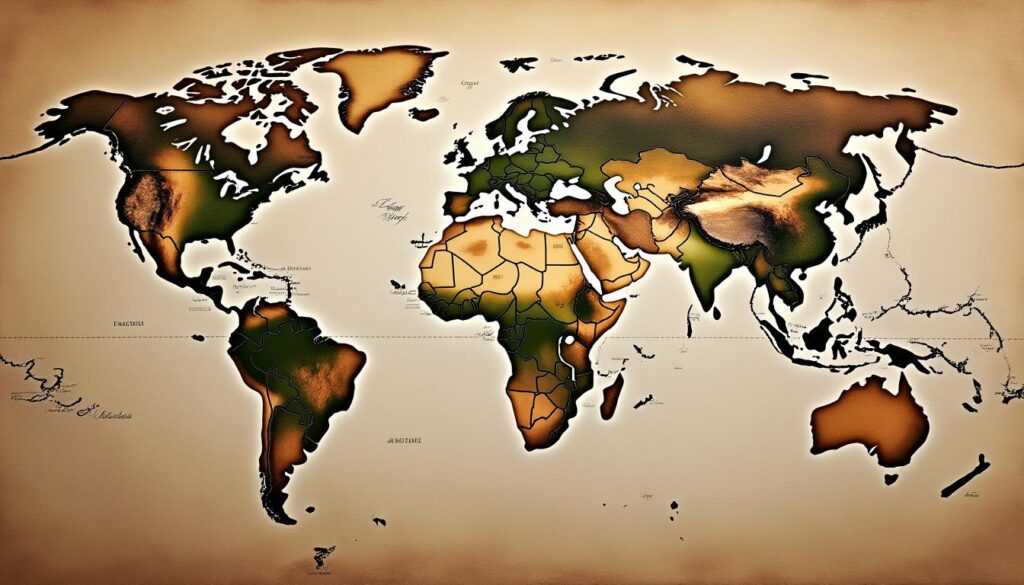
Where is Taipei on the map of the world?
Discovering Taipei: A Geographical Overview Taipei, the capital city of Taiwan, is strategically nestled in the northern part of the island. Located in the Taipei Basin, the city enjoys a remarkable backdrop of lush mountains, making it one of East…
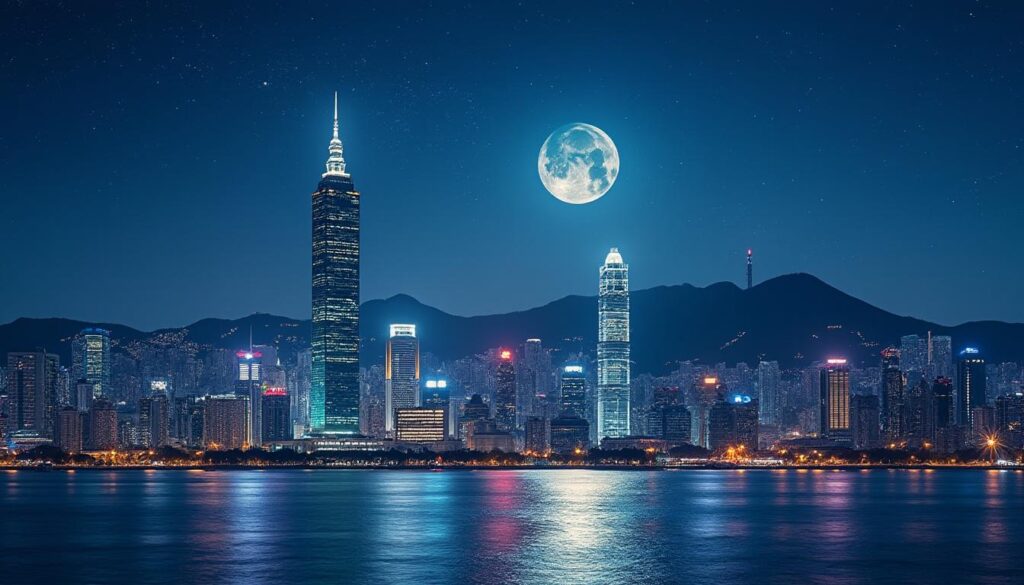
Does the moonlight shine on Taipei?
The Enchanting Moonlight Over Taipei’s Skyline The moonlight playing over the expansive skyline of Taipei offers a spectacular view, captivating both residents and visitors. As the moon ascends, it casts an ethereal glow that transforms the bustling city into a…
What is the elevation of Taipei?
Taipei is renowned for its vibrant culture, bustling night markets, and impressive skyline, particularly highlighted by the towering Taipei 101. However, the city’s geographical elevation also plays an integral role in shaping its unique environment and urban landscape. As the…
