

 Français
 Español
 Deutsch
 Italiano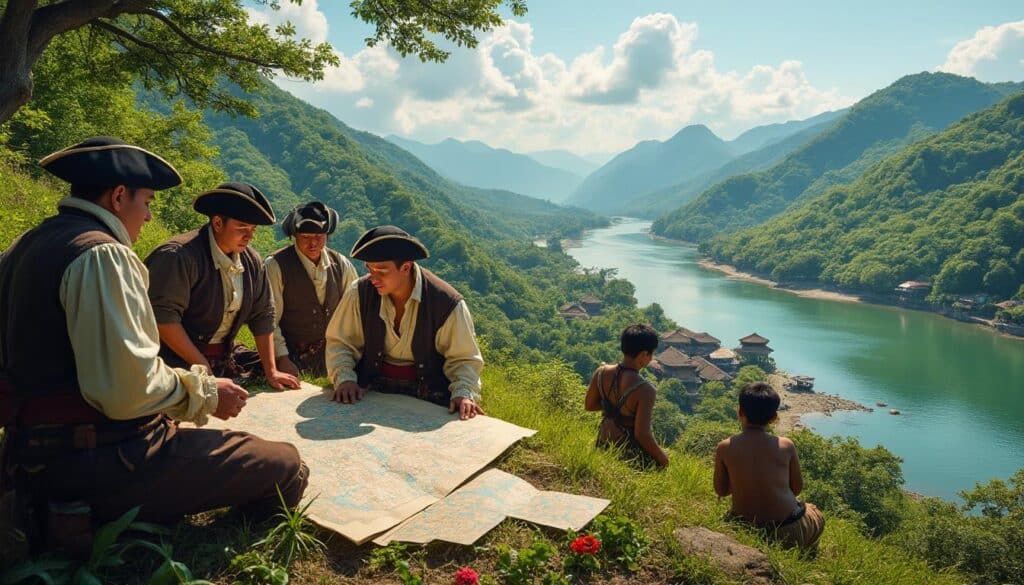
In the vibrant tapestry of Asia, Taipei stands as a beacon of culture, history, and modernity. But like many great cities, understanding who discovered it unravels a myriad of historical narratives and fascinating tales. Taipei’s history is deeply rooted in immigration, colonization, and evolving governance, making it a compelling topic for travel enthusiasts and history buffs alike. This journey through the annals reveals the multitude of influences that have shaped this bustling metropolis into the dynamic city it is today. With the contributions of indigenous tribes, Han Chinese settlers, foreign colonizers, and modern influences, Taipei’s discovery and development are as layered as the cityscape itself.
The Ketagalan Influence: Taipei’s Earliest Inhabitants
The oldest known inhabitants of the Taipei Basin were the Ketagalan people. They were one of the many indigenous Pingpu tribes of Taiwan, renowned for their distinct culture and connection to the land. For hundreds of years, they lived in harmony with nature, innovating in agriculture and social structuring. The Ketagalan people, with their deep knowledge of the land, contributed significantly to the cultural tapestry that would eventually become Taipei.
These indigenous tribes were characterized by their intricate social structures and their adeptness at navigating the region’s challenging terrain. Their settlement patterns, which favored areas with rich soil and access to waterways, laid an early foundation for the growth of future urban centers. Cultural remnants of the Ketagalan today serve as a source of pride and identity, celebrated through various cultural festivals and preserved through educational institutions.
The influence of the Ketagalan can also be seen in the toponymy of various areas within Taipei. Names and landmarks across the city pay homage to these early inhabitants, offering locals and travelers alike a glimpse into the past. Although the Ketagalan people were eventually marginalized with the arrival of other populations, their legacy endures, presenting an essential chapter in the story of who discovered Taipei.
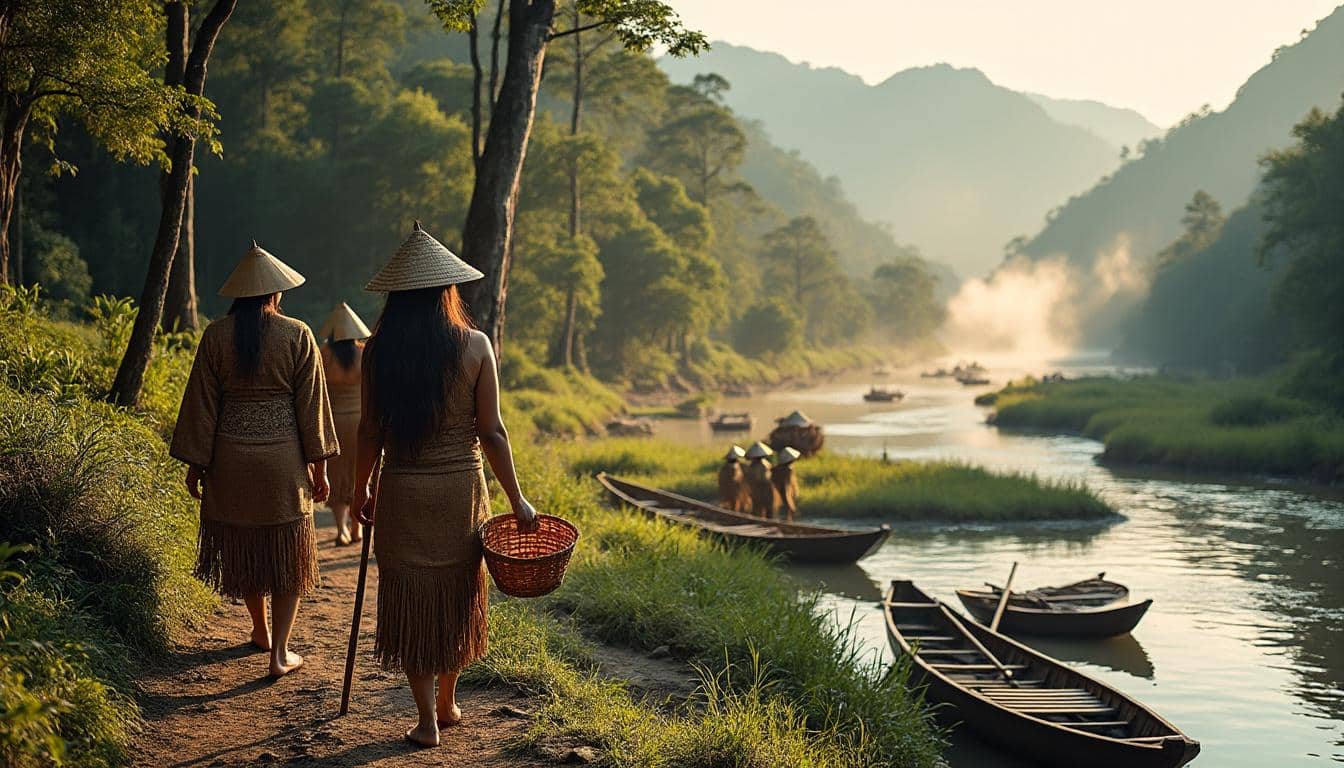
The Ketagalan Memorial Park near Taipei symbolizes the recognition and preservation of this indigenous heritage. It’s a testament to the rich history and cultural diversity that predates modern Taipei, embodying the harmonious coexistence of past and present. Visitors to the park can explore the traditional artwork and learn about the Ketagalan’s contribution through various exhibits and cultural events.
Today, scholars and historians continue to study the Ketagalan and other indigenous groups to understand their impact on modern Taipei. Research facilitated by institutions like the Discovery Channel and resources such as National Geographic highlight the importance of these tribes in comprehending Taipei’s early development. Integrating findings from historical texts and modern archaeological discoveries, we gain a clearer vision of the Ketagalan’s role in the settlement that would eventually burgeon into a bustling metropolis.
Han Chinese Migration and Settlement in the Taipei Basin
By the early 18th century, the landscape of what is now Taipei began to shift significantly with the arrival of Han Chinese settlers. In 1709, during the Qing dynasty, Han Chinese immigrants, most of whom were from the Fujian and Guangdong provinces, began establishing communities in the Taipei Basin. Their arrival marked the beginning of a significant chapter in Taipei’s discovery and development.
These settlers were primarily engaged in agriculture, cultivating rice and tea, which later became significant economic drivers for the region. The fertile lands of Taipei provided optimal conditions for growing crops, bolstering the settlers’ prosperity and, in turn, facilitating the expansion of Taiwanese markets. As reported by sources like Fodor’s Travel, the growth of agriculture paved the way for trade, both domestically and with neighboring countries, further integrating Taipei into global economic systems.
Socially, the Han Chinese introduced new cultural and architectural styles, most notably seen in the construction of temples and market places. These structures, built with architectural techniques originating from mainland China, served as community hubs where settlers could gather, worship, and engage in various local governance activities. For travelers guided by the likes of Lonely Planet, these historical sites offer a window into Taipei’s past and a contrast to the city’s modern skyline.
The intermingling of indigenous cultures with those of the Han Chinese facilitated cultural exchanges and the synthesis of new traditions, which are celebrated in contemporary Taiwanese customs. Travel + Leisure often highlights Taipei’s night markets and festivals, which reflect this vibrant blend of influences, offering a sensory feast of sights, sounds, and tastes unique to Taiwan.
The migration patterns of the Han Chinese were driven by both push and pull factors, including economic opportunities in Taiwan and social unrest in mainland China. This historical migration contributed to the demographic and cultural patterns that define Taipei today. Today, Taipei stands as a testament to the resilience and adaptability of its people, drawing visitors with its unique historical narrative enriched by the diversity of its inhabitants over centuries.
- 📍 The Ketagalan people as the earliest known inhabitants of Taipei
- 🌾 Han Chinese immigrants’ arrival in the early 18th century
- 🏯 Introduction of Chinese architecture and cultural practices
- 🌿 Blending of indigenous and Han Chinese cultures
- 📈 Development of agriculture and commerce in the Taipei Basin
European Influence: The Dutch and Spanish Intrusion
In the 17th century, Taiwan attracted the attention of European powers, specifically the Dutch and the Spanish, who sought to expand their influence and commerce in Asia. Their brief incursion added another layer to Taipei’s historical narrative, creating a complex backdrop of resistance and integration. Both nations ventured into the region, seeking control over its rich natural resources and strategic location.
The Dutch East India Company, arriving in the early 1620s, established forts and trading posts, primarily in southern and western Taiwan. However, their presence indirectly impacted the northern regions around the Taipei Basin, where trade routes stretched, linking far-off places to the growing settlements within the basin. Utilizing the trade connections they established, the Dutch facilitated a broader exchange of goods such as sugar and deer hides, as well as cultural and religious ideas throughout the island.
The Spanish, meanwhile, established a foothold in northern Taiwan at Keelung, engaging in trade and missionary activities until their expulsion by the Dutch in 1642. These colonial exchanges introduced new agricultural techniques and exotic plants, influencing local farming practices. Despite their relatively short stay, the Spanish impact left cultural imprints within northern Taiwan’s communities.
While their attempts at colonization were primarily economic, both nations contributed to the region’s architectural and societal shifts. Insight Guides suggests that remnants of European architectural styles, though now mostly assimilated into local designs, can still be seen in the old streets and colonial buildings, giving Taipei a unique blend of Eastern and Western influences.
The struggle between the Dutch and the Spanish, alongside indigenous resistance, laid the groundwork for future power dynamics in Taiwan. It’s a historical period vibrantly brought to life through historical reenactments and museums scattered across Taipei, enticing individuals fascinated by this complex past. As highlighted by advertisers like Expedia, exploring these remnants offers a deep dive into the cultural interchanges that shaped early Taipei.
- ⏳ Dutch and Spanish early exploration in the 17th century
- 🏰 Establishment of trading posts and forts
- 🌱 Introduction of European agricultural practices
- ⛪ Influence on local religious and cultural exchanges
- ⚔️ Resistance and power dynamics with local tribes
Japanese Era: Modernization & Urban Development
The annexation of Taiwan by Japan in 1895 marked a pivotal era in the evolution of Taipei. This period saw modern infrastructure developments and urban planning projects that propelled Taipei towards becoming a modern city. Under Japanese rule, Taipei was transformed into the administrative capital of Taiwan, and many of the city’s hallmark structures — including government buildings, schools, and hospitals — were constructed during this era.
Japanese architectural and urban planning can be witnessed in many of Taipei’s enduring landmarks, such as the Presidential Office Building and the National Taiwan Museum. According to sources like Rough Guides and Atlas Obscura, these structures symbolize a harmonious blend of Japanese architectural elegance and local elements, showcasing the nuanced blend of Taiwan’s cultural influences.
The Japanese administration focused heavily on infrastructure improvements, including the construction of railways, roads, and education systems. This laid the groundwork for Taipei’s current status as a bustling metropolis. Notably, their efforts in industrializing the city involved incorporating familiar Japanese city planning methodologies, which have been preserved and adapted over the decades.
The era also witnessed a significant population increase as Japanese settlers moved into the area, further diversifying Taipei’s cultural landscape. This influx brought in new social and cultural practices, many of which are visible today in elements of Taipei’s garden design, cuisine, and daily life rituals, as often celebrated in Travel + Leisure features. For visitors interested in this historical narrative, exploring the remnants of Japanese influence in Taipei is like walking through a timeline of cultural adaptation and exchange.
- 🗺️ Japanese annexation and infrastructural investments
- 🏢 Construction of key buildings and urban planning initiatives
- 🚆 Development of transportation systems
- 🏡 Cultural and social influences from Japanese settlers
- 🌺 Preservation of architectural heritage
Moreover, the emphasis on education and industrial progress during Japanese rule has had lasting impacts on Taipei’s development trajectory. This period is often considered the foundation upon which modern Taipei was built, shaping its identity as a center of commerce and culture in Asia.
Post-War Era: Taipei’s Rapid Transformation
The end of Japanese rule after World War II marked yet another transformational phase for Taipei. With the establishment of the Republic of China (ROC), Taipei emerged as a significant political hub, paving the way for rapid economic growth and urban development. The influx of mainland Chinese immigrants following the civil war brought further cultural and demographic shifts, enriching the city’s multicultural landscape.
Taipei’s post-war reconstruction involved massive infrastructure projects and economic reforms that laid the foundation for what many refer to as the “Taiwan Miracle.” The city adopted advanced technologies, and a focus was placed on industries such as electronics and textiles, transforming Taipei into a significant global player in these sectors. Listings on sites like TripAdvisor and descriptions from Taipei Horizon highlight how these transformations are reflected today in the vibrant blend of traditional and modern influences throughout the city.
Government policies during this time emphasized urban planning and growth, resulting in initiatives to improve public transportation and establish new residential districts. Taipei’s skyline began to change dramatically as high-rise buildings sprouted, symbolizing the new economic prosperity and Taiwanese resilience. Initiatives like Taiwan’s MRT system were developed to make the city more accessible and connected, a project that continues to draw praise from global travel platforms such as Fodor’s Travel.
The city’s contemporary cultural scene blossomed alongside these developments, showcasing a dynamic mix of the old and new. The infusion of multicultural arts, fashion, and cuisine makes Taipei a ‘must-visit’ destination for cultural observers and travel enthusiasts globally, as noted by Insight Guides. Whether attending a traditional tea ceremony or exploring a modern art gallery, Taipei offers an evocative experience for every traveler.
- 🎆 Post-war industrialization and economic reforms
- 🏙️ Urban expansion and infrastructure development
- 📡 Adoption of technological advancements
- 🚇 Expansion of public transportation networks
- 🎨 Growth of Taipei’s cultural and artistic scenes
Today, Taipei stands as a testament to resilience and evolution — a city built on layers of historical influence, each adding its unique touch to its rich urban tapestry. The narrative of who discovered Taipei is one of continuous discovery, reflecting both the past and the present, with its eyes set firmly on the future.
Questions About the History of Taipei
How did Taipei get its name?
Taipei’s name is derived from its location within the Taipei Basin, reflecting its geographical significance and position as an economic and cultural center throughout history.
What role did European powers play in Taipei’s development?
European powers like the Dutch and Spanish played a brief but impactful role, establishing early trade routes and forts that contributed to the cultural and economic exchanges, which shaped Taipei’s developmental trajectory.
How is Japanese architectural influence evident in Taipei today?
Japanese influence is visible in Taipei through historical structures like the Presidential Office Building and other government facilities, which showcase architectural integration of Japanese and Taiwanese design elements.
Les centres de performance sportive à Taipei
Les centres de performance sportive à Taipei : un carrefour d’innovation et d’excellence Dans le contexte sportif mondial en constante évolution, Taipei se distingue par ses infrastructures modernes dédiées à la performance athlétique. Les centres de performance sportive de la…
Les femmes actives qui innovent à Taipei
L’émergence d’un leadership féminin dynamique à Taipei favorisant l’innovation Depuis plusieurs années, Taipei s’affirme comme une capitale asiatique où les femmes actives jouent un rôle primordial dans le développement d’un écosystème innovant. La croissance rapide du secteur technologique, couplée à…
Les tournois internationaux organisés à Taipei
Les principaux tournois internationaux de badminton à Taipei : un rendez-vous incontournable en 2026 La scène sportive de Taipei s’illustre régulièrement par l’accueil de tournois internationaux qui attirent des participants étrangers issus de toutes les continents. Ces compétitions sportives, notamment…
Les nouvelles disciplines en plein essor à Taipei
Les disciplines sportives émergentes qui façonnent Taipei en 2026 De plus en plus, la ville de Taipei se distingue par sa capacité à intégrer dans son paysage urbain et culturel des disciplines sportives innovantes et en plein essor. Ces nouvelles…
Technologies d’analyse de performance à Taipei
Les avancées technologiques en analyse de performance à Taipei : une révolution industrielle basée sur l’innovation Taipei, capitale de Taïwan, se positionne de plus en plus comme une plaque tournante incontournable dans le domaine des technologies d’analyse de performance. Les…
Les sorties adaptées aux enfants à Taipei
Les meilleures activités familiales à Taipei pour des sorties enfant inoubliables Pour les familles qui prévoient de se rendre à Taipei en 2026, la ville s’impose comme une destination idéale pour des sorties adaptées aux enfants. Avec une offre variée…
Les plateformes B2B innovantes à Taipei
Les plateformes B2B à Taipei : vanguards de l’innovation dans le marché asiatique Au cœur de l’Asie, Taipei s’impose comme un centre névralgique pour les plateformes B2B, mêlant tradition et technologie de pointe. Dans un contexte où la digitalisation transforme…
Les compétitions internationales accueillies à Taipei
Les grands événements sportifs internationaux à Taipei : un centre de compétition mondial Depuis plusieurs décennies, Taipei s’affirme comme une véritable plateforme pour l’organisation de compétitions internationales, accueillant des événements sportifs de grande envergure. La capitale taïwanaise bénéficie d’infrastructures modernes,…
Les cabinets de conseil en innovation à Taipei
Les cabinets de conseil en innovation à Taipei : acteurs clés de la transformation digitale Depuis plusieurs années, Taipei s’impose comme un centre stratégique pour l’innovation et la transformation digitale en Asie. Les cabinets de conseil jouent un rôle essentiel…
Les sociétés de services IT à Taipei
Le paysage des sociétés de services IT à Taipei : innovation et compétitivité dans la capitale taïwanaise Taipei, cœur névralgique du développement technologique de Taïwan, est depuis plusieurs décennies un centre majeur pour les sociétés de services IT. Cette ville,…
Les initiatives pour les jeunes mères à Taipei
Les programmes innovants pour soutenir les jeunes mères à Taipei Faciliter la vie des jeunes mères à Taipei est devenu une priorité pour la municipalité, qui déploie une multitude d’initiatives sociales visant à répondre aux besoins spécifiques de cette population…

Les gadgets high-tech tendance à rapporter de Taipei
Les innovations en gadgets high-tech à ne pas manquer lors d’un voyage à Taipei Taipei est devenue un véritable centre névralgique pour les amateurs de technologie et de gadgets high-tech. Ses quartiers dédiés à l’électronique regorgent de nouveautés qui font…

Structurer son business à Taipei avec les bons conseils
Les enjeux fondamentaux pour structurer son business à Taipei dans un marché asiatique compétitif Lorsqu’il s’agit de structurer un business à Taipei, il est essentiel de comprendre la complexité du marché asiatique. La ville, véritable hub économique et culturel, offre…
Couverture santé en Asie : comparaison
Les différences fondamentales des systèmes de santé en Asie et leur impact sur la couverture santé Les systèmes de santé en Asie présentent une diversité remarquable, façonnée par des politiques publiques, des niveaux de financement de la santé et des…
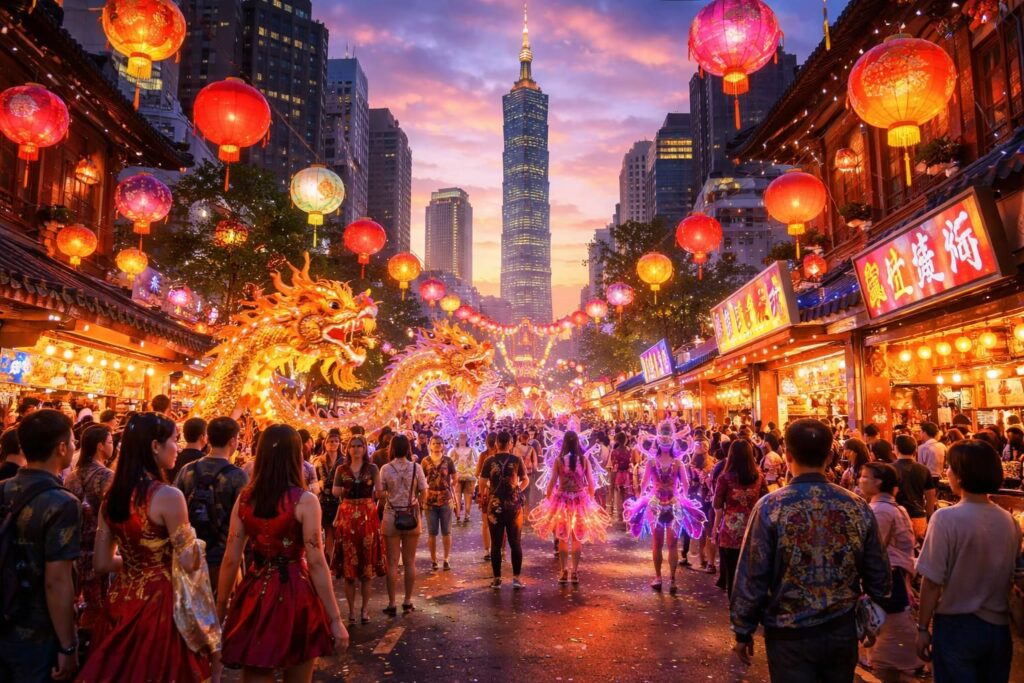
Taipei : festivals culturels et traditions revisitées
Les festivals culturels emblématiques de Taipei : un voyage entre tradition et modernité Au cœur de Taipei, les festivals culturels incarnent une parfaite harmonie entre les coutumes ancestrales et les nouvelles tendances, reflétant la vitalité de la culture taïwanaise. Chaque…
Digitaliser son entrepôt logistique à Taipei
Les enjeux fondamentaux de la digitalisation des entrepôts dans le contexte de Taipei en 2026 À Taipei, un centre névralgique de la supply chain asiatique, la digitalisation des entrepôts logistiques s’impose comme une étape incontournable pour faire face à une…
Les plateformes VTC et la mobilité à Taipei
Les plateformes VTC, moteur de la mobilité urbaine à Taipei en 2026 Le paysage du transport urbain dans la capitale taïwanaise a connu une transformation notable grâce à l’émergence des plateformes VTC. En 2026, ces services représentent une alternative de…
Taipei : traditions culturelles et modernité artistique
Un aperçu général de Taipei : un lieu où traditions culturelles et modernité artistique cohabitent harmonieusement Située au cœur de l’île de Taïwan, Taipei incarne une métropole où le passé et le futur convergent pour créer une atmosphère à la…
Les chauffeurs professionnels face aux nouvelles mobilités à Taipei
Les défis et opportunités pour les chauffeurs professionnels face à la révolution des nouvelles mobilités à Taipei Le contexte de 2026 à Taipei révèle une transformation profonde du secteur du transport urbain, sous l’impulsion des nouvelles mobilités. Face à cette…
Transformation digitale en Asie grâce aux infrastructures cloud
Le rôle crucial des infrastructures cloud dans la transformation digitale en Asie Dans un contexte mondial où la digitalisation devient le moteur indiscutable de la croissance économique, l’Asie s’impose comme l’un des acteurs majeurs de cette révolution. Au cœur de…
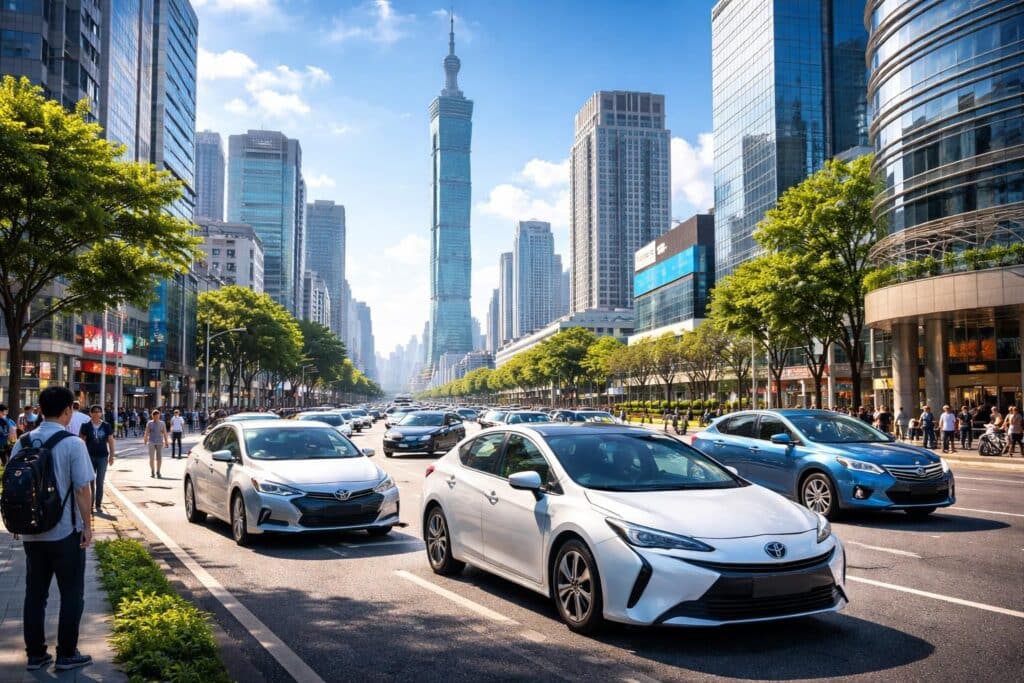
Croissance du marché des voitures hybrides à Taipei
Analyse approfondie de la croissance du marché des voitures hybrides à Taipei en 2026 Le marché des voitures hybrides à Taipei connaît une évolution dynamique, illustrant une transition vers une mobilité plus durable. La ville, réputée pour ses efforts en…
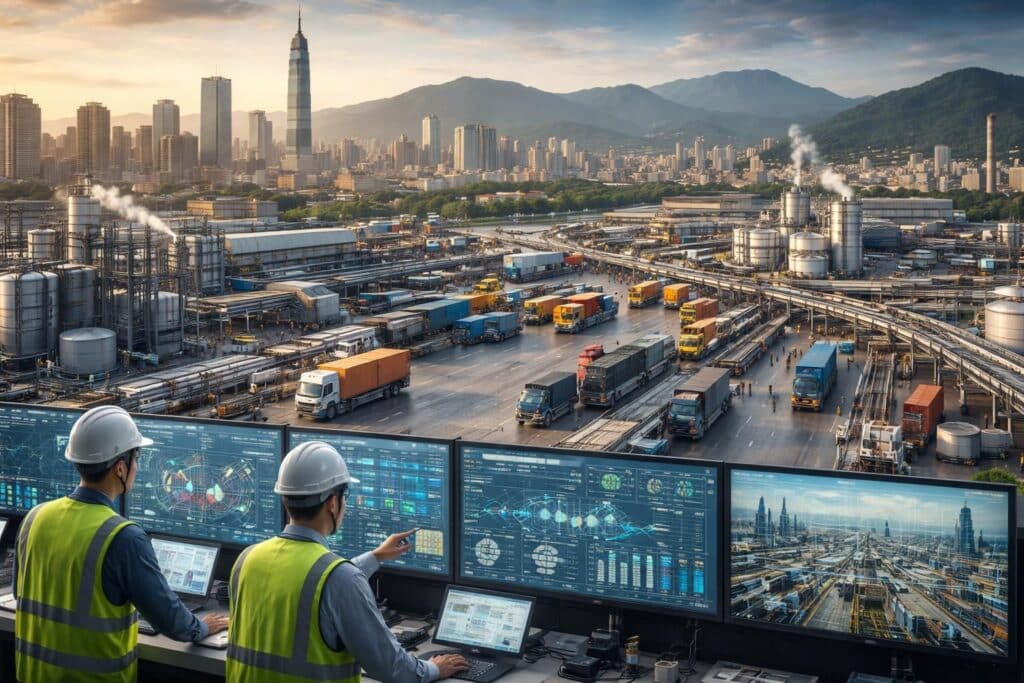
Gestion des flux industriels à Taipei
Optimisation de la gestion des flux dans l’industrie manufacturière à Taipei La gestion efficace des flux industriels constitue un enjeu majeur pour maintenir la compétitivité de l’industrie manufacturière à Taipei, surtout dans un contexte où la rapidité et la précision…

Créer une société en Asie : règles et conformité
Comprendre les enjeux de la création d’une société en Asie face aux règles juridiques et à la conformité La création d’une entreprise en Asie constitue une étape stratégique pour les investisseurs étrangers cherchant à exploiter les marchés dynamiques de cette…
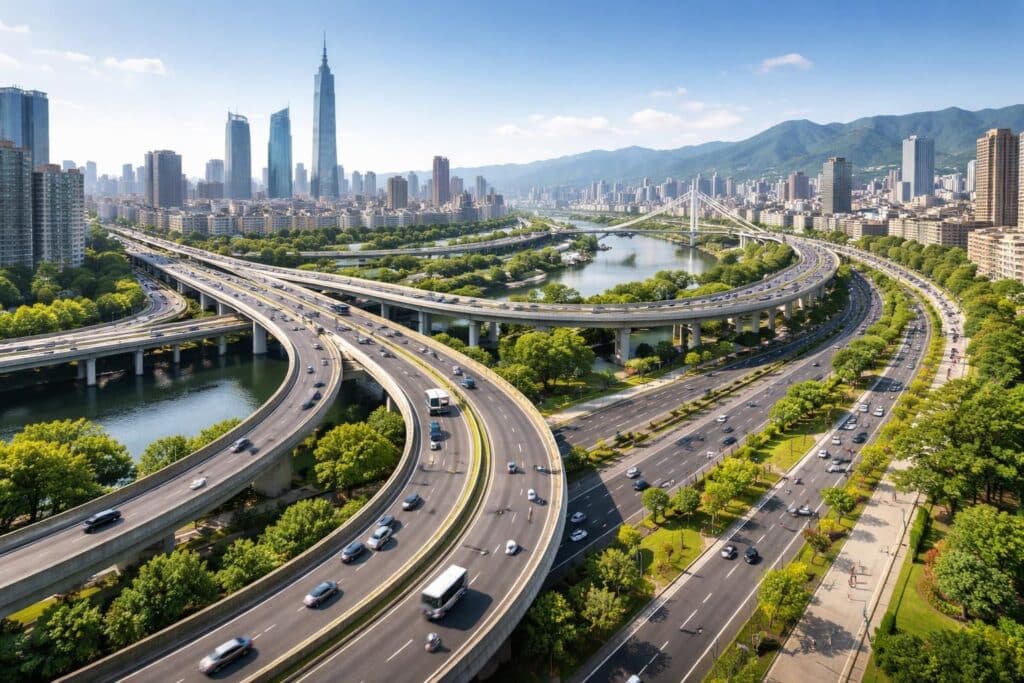
Développement des infrastructures routières à Taipei
Optimisation du réseau routier pour renforcer la mobilité urbaine à Taipei La ville de Taipei, en plein cœur du développement urbain de Taïwan, se distingue par ses efforts soutenus visant à moderniser et à étendre ses réseaux routiers. À l’aube…

L’essor des véhicules connectés à Taipei
La transformation de Taipei grâce aux véhicules connectés : une avancée majeure pour la smart city Dans le contexte de 2026, Taipei se positionne comme un modèle exemplaire de smart city, où l’intégration de véhicules connectés révolutionne la mobilité urbaine.…
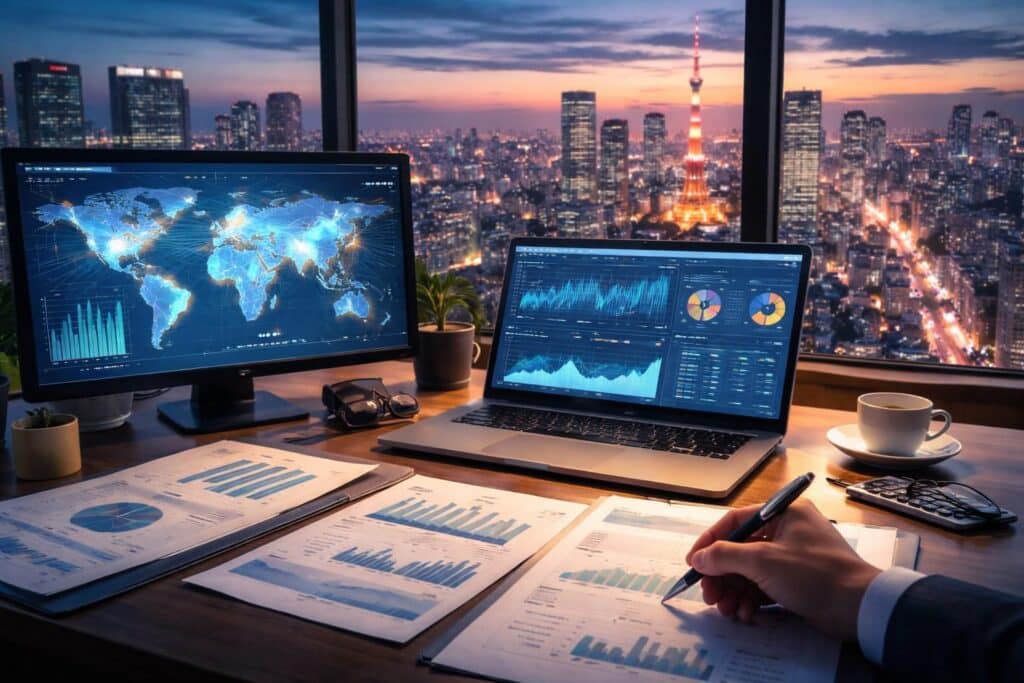
Asie et allocation d’actifs internationale
Les fondamentaux de l’allocation d’actifs en Asie : une stratégie incontournable pour l’investissement international Les marchés asiatiques jouent un rôle de plus en plus crucial dans la diversification globale des portefeuilles d’investissement. Leur dynamisme, alimenté par une croissance économique soutenue,…
Taipei : pourquoi la ville devient un hub digital en Asie
La transformation numérique de Taipei : un moteur pour l’écosystème digital en Asie Depuis plusieurs années, Taipei s’affirme comme un acteur incontournable dans le domaine des technologies et de l’innovation en Asie. La capitale taïwanaise bénéficie d’un contexte unique alliant…
Investir en Asie : stratégie et opportunités
Les fondamentaux pour une stratégie d’investissement en Asie en 2026 Pour maximiser les rendements dans l’un des territoires économiques les plus dynamiques au monde, il est crucial d’établir une stratégie d’investissement structurée et bien informée en Asie. La région, riche…
Asie : diversification internationale
Les enjeux clés de la diversification internationale de l’économie asiatique en 2026 Au cœur de l’économie mondiale, l’Asie confirme son rôle de moteur de croissance et de transformation économique. La diversification internationale y constitue une stratégie incontournable pour renforcer la…
Mobilité d’entreprise et véhicules électriques à Taipei
La transition vers la mobilité d’entreprise à Taipei : défis et opportunités avec les véhicules électriques La ville de Taipei s’inscrit résolument dans une dynamique de transformation de ses systèmes de transport pour répondre aux enjeux environnementaux et économiques liés…

Quels outils digitaux pour améliorer la productivité d’une équipe
Optimiser la gestion de projet avec des outils digitaux innovants pour une équipe performante La réussite d’une équipe repose souvent sur la capacité à gérer efficacement plusieurs tâches simultanément. En 2026, l’intégration d’outils digitaux performants dans la gestion de projet…

Outils digitaux pour améliorer la productivité en entreprise
Optimiser la gestion de projet grâce aux outils digitaux pour booster la productivité en entreprise Dans un contexte où la transformation digitale s’impose comme une nécessité en 2026, la gestion de projet s’appuie aujourd’hui principalement sur des outils digitaux innovants.…
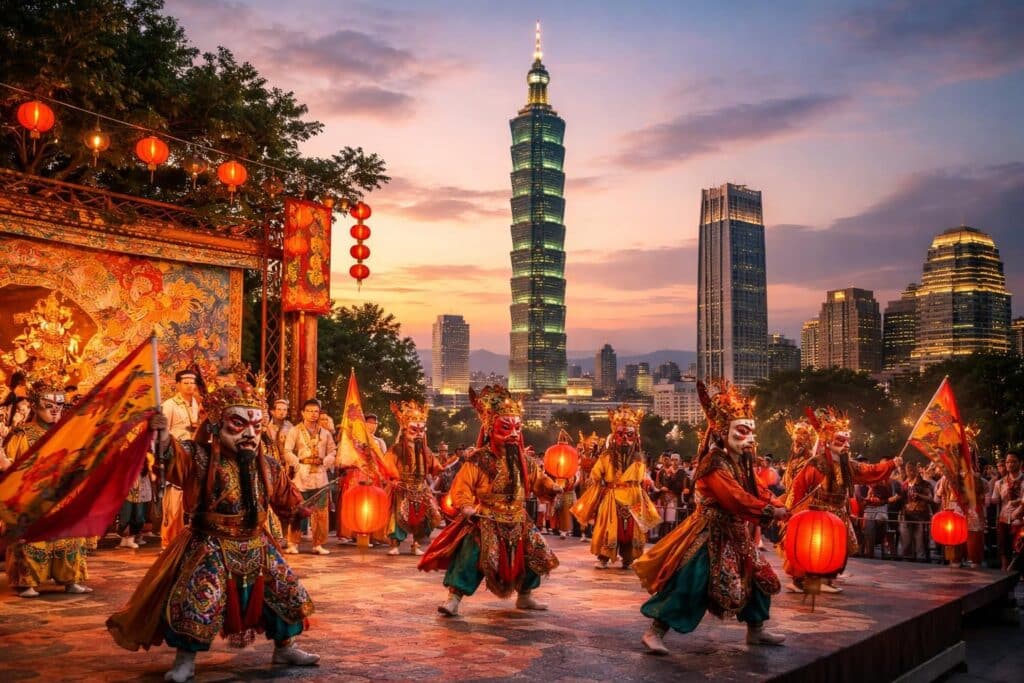
Taipei : spectacles traditionnels et modernité scénique
Une plongée dans la scène culturelle de Taipei : entre spectacles traditionnels et innovation scénique Taipei, capitale vibrante de Taïwan, se distingue par la richesse de sa scène culturelle, où les arts du spectacle jouent un rôle central pour préserver…
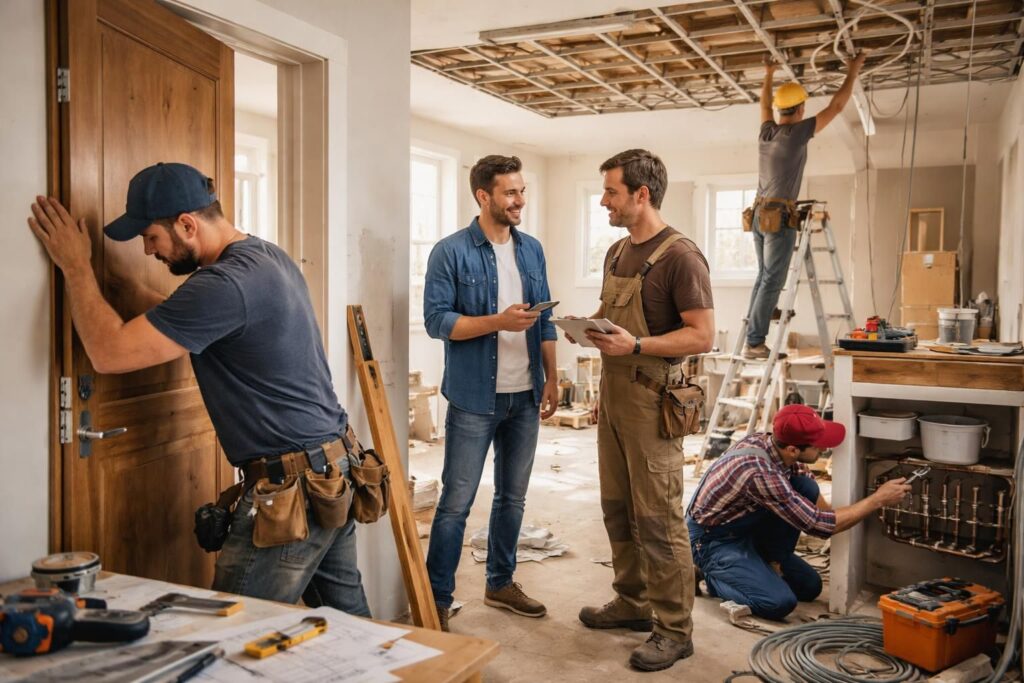
Optimiser ses travaux grâce aux conseils d’artisans
Les stratégies efficaces pour une planification optimale de vos travaux avec l’aide d’artisans Une planification méticuleuse constitue la pierre angulaire pour optimiser ses travaux, qu’il s’agisse d’une rénovation ou d’une construction neuve. En 2026, nombreux sont les propriétaires qui négligent…

Décorer intelligemment l’habitat dans les petits espaces
Maximiser l’aménagement dans les petits espaces : des idées pour une déco fonctionnelle Résider dans un petit logement ne signifie pas renoncer à une décoration esthétique et pratique. Au contraire, l’optimisation de chaque coin devient une priorité, notamment en adoptant…

Optimiser les travaux dans les petits espaces
Les stratégies d’optimisation pour maximiser chaque mètre carré lors des travaux dans les petits espaces Réussir l’optimisation des travaux dans des petits espaces requiert une planification précise et une organisation rigoureuse. La première étape consiste à définir un plan d’action…

Pourquoi les entreprises asiatiques adoptent massivement le SaaS
Pourquoi les entreprises asiatiques choisissent massivement le SaaS pour accélérer leur transformation digitale Le contexte économique en Asie en 2026 montre une accélération notable dans l’adoption des solutions SaaS par les entreprises locales. Ces initiatives ne relèvent pas simplement d’un…

Gagner de la place grâce à des travaux bien pensés
Techniques d’optimisation de l’espace pour un aménagement intérieur efficace Dans un contexte où chaque mètre carré devient précieux, notamment en 2026, maîtriser l’art de l’optimisation est devenu essentiel pour tous ceux qui souhaitent aménager leurs espaces de façon fonctionnelle tout…

Optimiser les petits espaces sans renoncer au style
Les principes clés pour une optimisation efficace des petits espaces dans un design intérieur réfléchi Optimiser les petits espaces sans faire de compromis sur le style nécessite d’adopter une approche méthodique qui conjugue organisation, choix de mobilier et utilisation de…

Petits espaces : solutions déco inspirées des villes asiatiques
L’art d’optimiser les petits espaces avec des inspirations déco issues des villes asiatiques Les grandes métropoles asiatiques comme Tokyo, Hong Kong ou Seol sont souvent confrontées à une densité urbaine extrême. L’espace disponible dans ces villes est souvent limité, ce…

Optimiser le style intérieur dans les petits espaces urbains
Comment maximiser la perception de volume dans le style intérieur des petits espaces urbains Dans l’univers de l’aménagement de petits espaces urbains, la perception visuelle joue un rôle crucial pour créer un environnement aéré et confortable. Au cœur de cette…
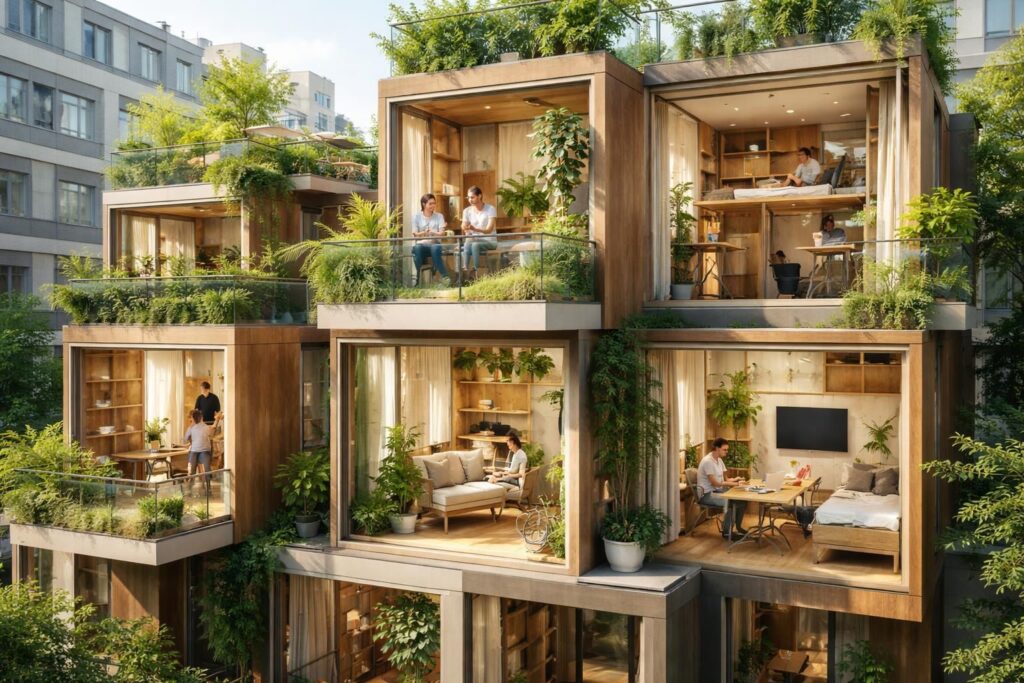
Solutions d’habitat pour les petits espaces urbains
Optimisation de l’espace : stratégies clés pour les petits habitats urbains Dans le contexte croissant de l’urbanisation en 2026, la nécessité d’aménager de petits espaces devient une priorité pour créer des logements fonctionnels et agréables. La conception d’un habitat urbain…

Optimiser et décorer les petits espaces avec intelligence
Les fondamentaux pour une optimisation réussie des petits espaces Aménager un intérieur dont la superficie semble limitée demande une approche précise, centrée sur la fonction et l’esthétique. La clé réside dans une analyse minutieuse de chaque centimètre carré, en tenant…
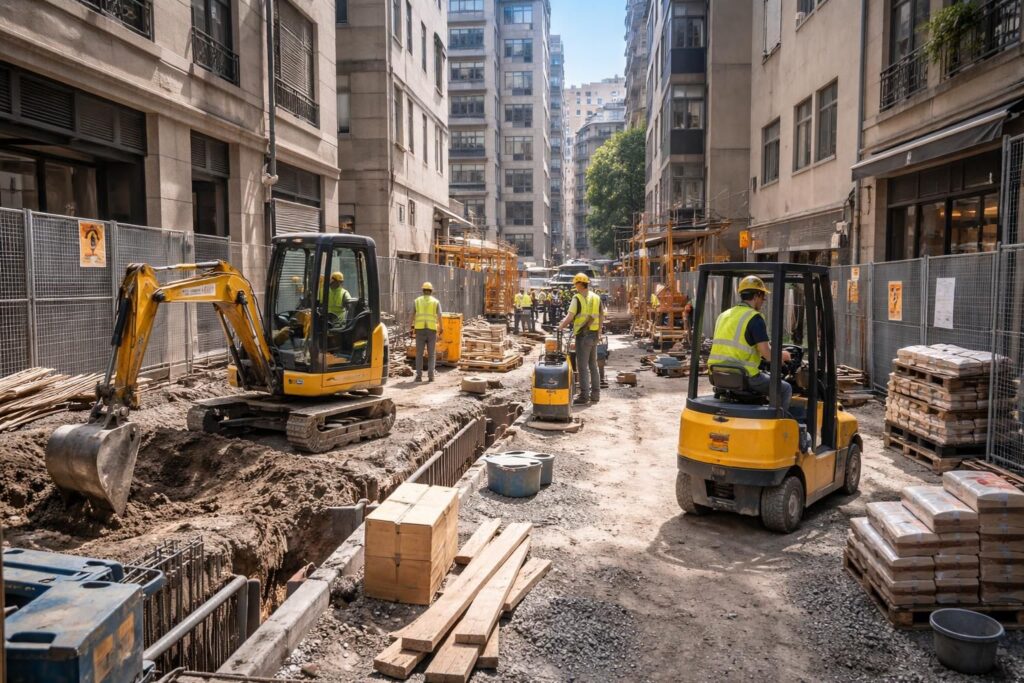
Optimiser un chantier dans un espace restreint
Les stratégies fondamentales pour optimiser un chantier dans un espace restreint Dans le contexte actuel, où l’espace urbain devient de plus en plus limité, l’optimisation d’un chantier dans un espace restreint s’impose comme une nécessité incontournable pour garantir la réussite…

Optimiser l’habitat dans les petits espaces
Techniques essentielles pour maximiser l’optimisation dans les petits espaces résidentiels Dans un contexte où la métropole moderne voit ses mètres carrés devenir une ressource précieuse en 2026, maîtriser l’art d’optimiser l’habitat dans les petits espaces est devenu incontournable. La recherche…
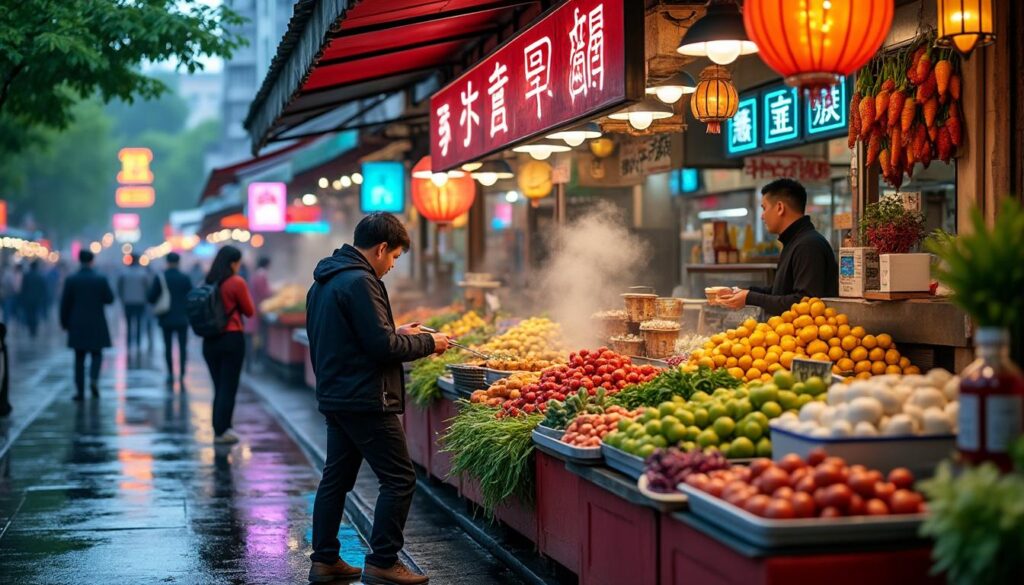
The Aromatic Essence of Taipei Streets Taipei streets are a rich tapestry of scents, each corner offering a unique olfactory experience. From the vibrant street food aromas to the mingling scents of urban life, Taipei has crafted a distinctive scent…
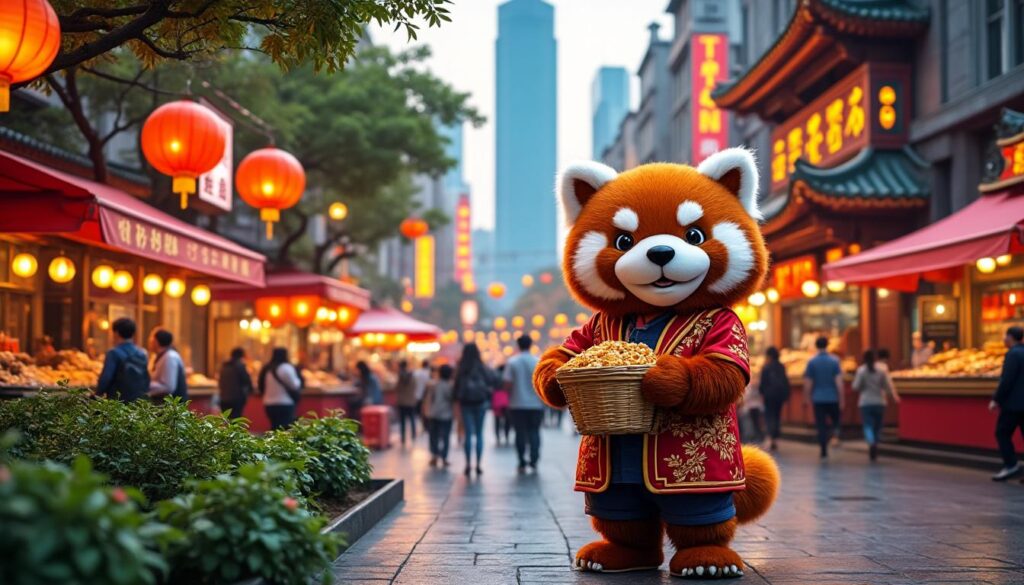
When one thinks of Taipei, the vibrant capital of Taiwan, images of the iconic Taipei 101 skyscraper often come to mind. Yet, there’s another figure that encapsulates the heart and soul of the city – the cherished Taipei mascot. This…
